Laboratory
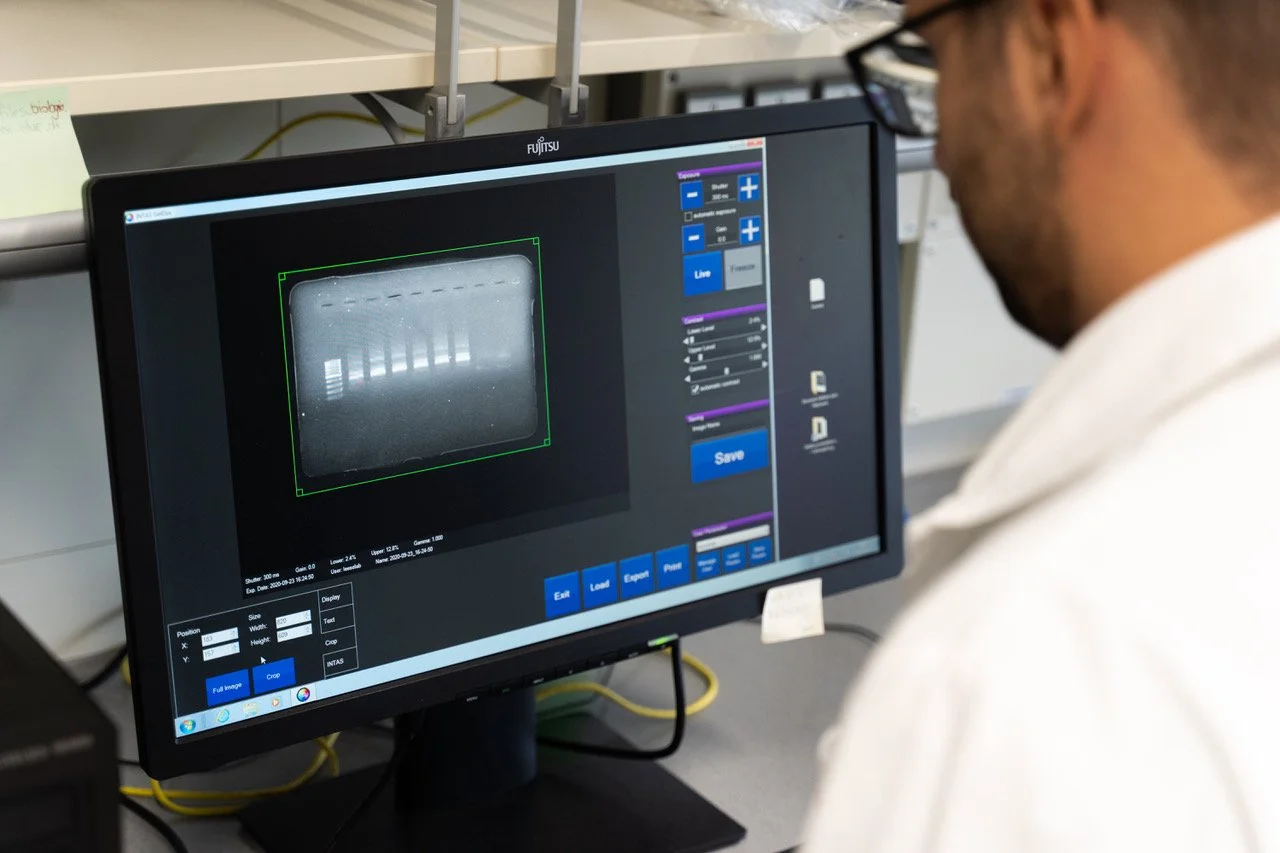
Once water samples arrive at the lab, the first task is extracting the DNA traces out of them. To do so, the filters are chemically processed to break open cells and release genetic material, which is then purified from a soup of algae, sediment, and organic debris, until only clean, usable DNA remains, often in vanishingly small amounts that demand careful, contamination-free handling throughout.
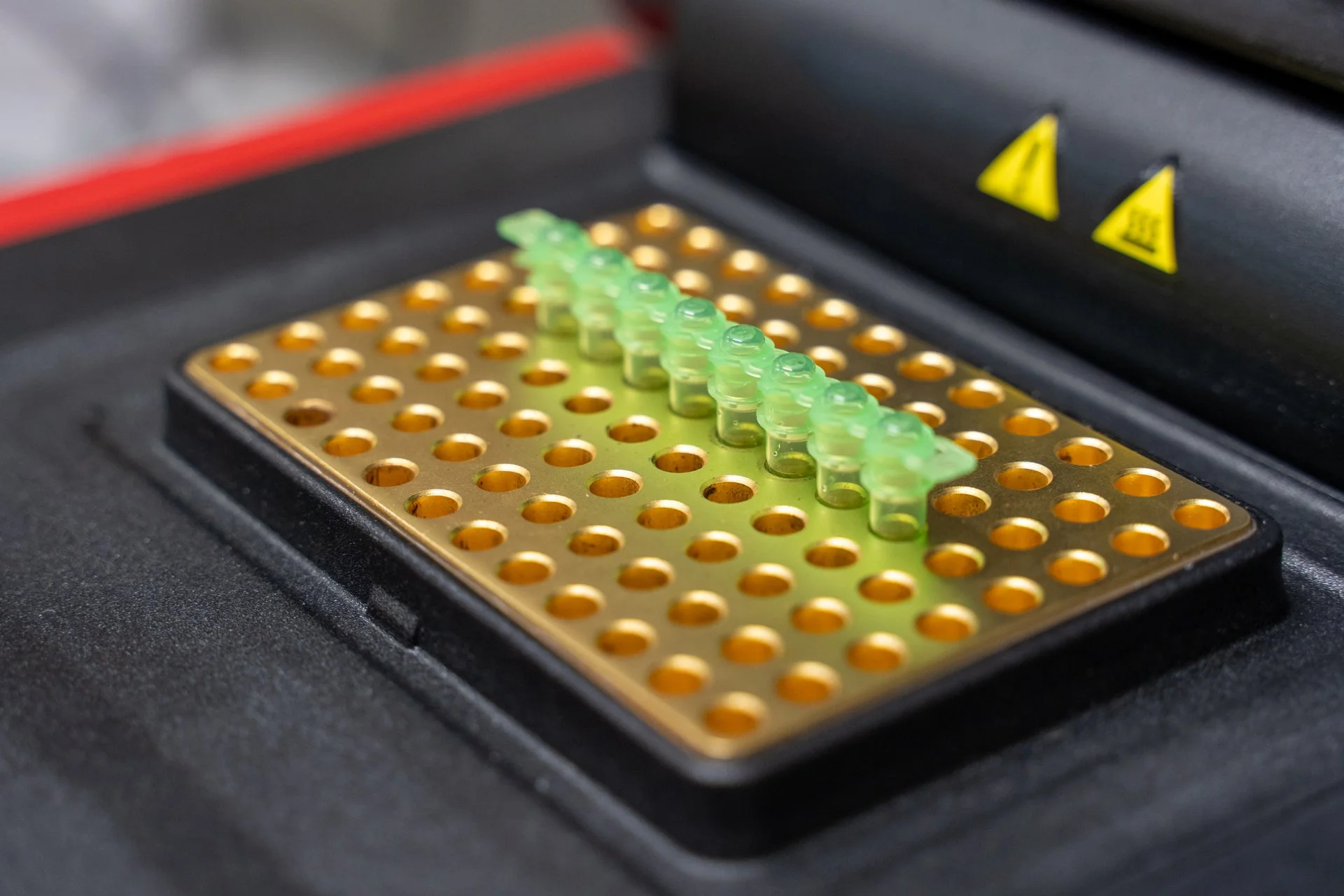
Every step runs alongside strict quality controls, negative samples to catch contamination, replicate extractions to check consistency, ensuring that despite starting from a few molecules in a bottle of river water, the final sequencing data is robust enough to draw real biological conclusions from. Only samples passing these checks move forward to sequencing and analysis.
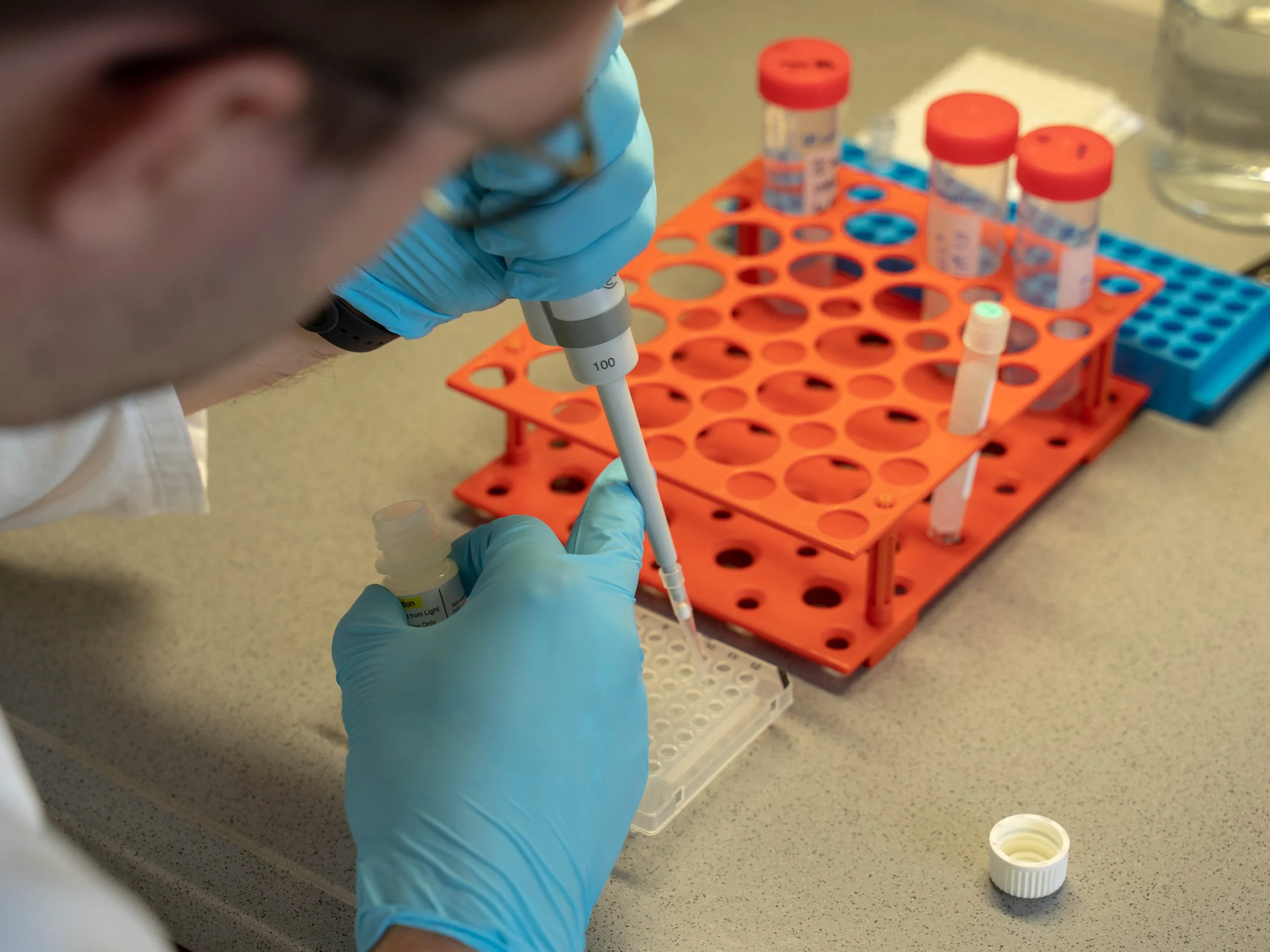
The extracted eDNA is then prepared for sequencing: specific regions are amplified so that species can later be identified from their genetic barcode, while parallel protocols preserve methylation information, the chemical marks that reveal a fish's age and stress history. Both strands of information, genetic identity and epigenetic state, can be captured from the very same water sample, no extra fieldwork is required here.