EpiChron
The German Environmental Specimen Bank (ESB) is a key component of long-term environmental monitoring in Germany. The ESB has been systematically storing a wide variety of samples from different organisms and ecosystems (marine, freshwater and terrestrial ecosystems) – in some cases since the 1980s – which can be used to monitor the quality of the environment. Analyses have mainly been carried out on the basis of chemical and physical parameters. However, storing the samples above liquid nitrogen also ensures the long-term preservation of their DNA and RNA, allowing molecular methods to be implemented (see TrendDNA project).
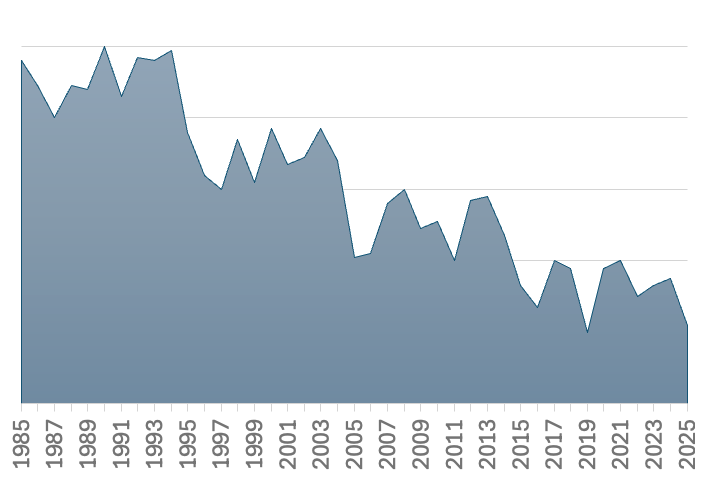
In the EpiChron work package, we apply the epigenetic methods developed within EpiDNA to these archives, using fish samples collected over almost four decades to reconstruct long-term patterns of biodiversity change and stress exposure. By linking epigenetic signatures to historical chemical measurements, we can trace how shifts in pollution, temperature, and habitat conditions have shaped fish populations over time. The result is a multi-decadal, ecosystem-wide perspective on environmental change, providing evidence to support conservation and environmental policy.
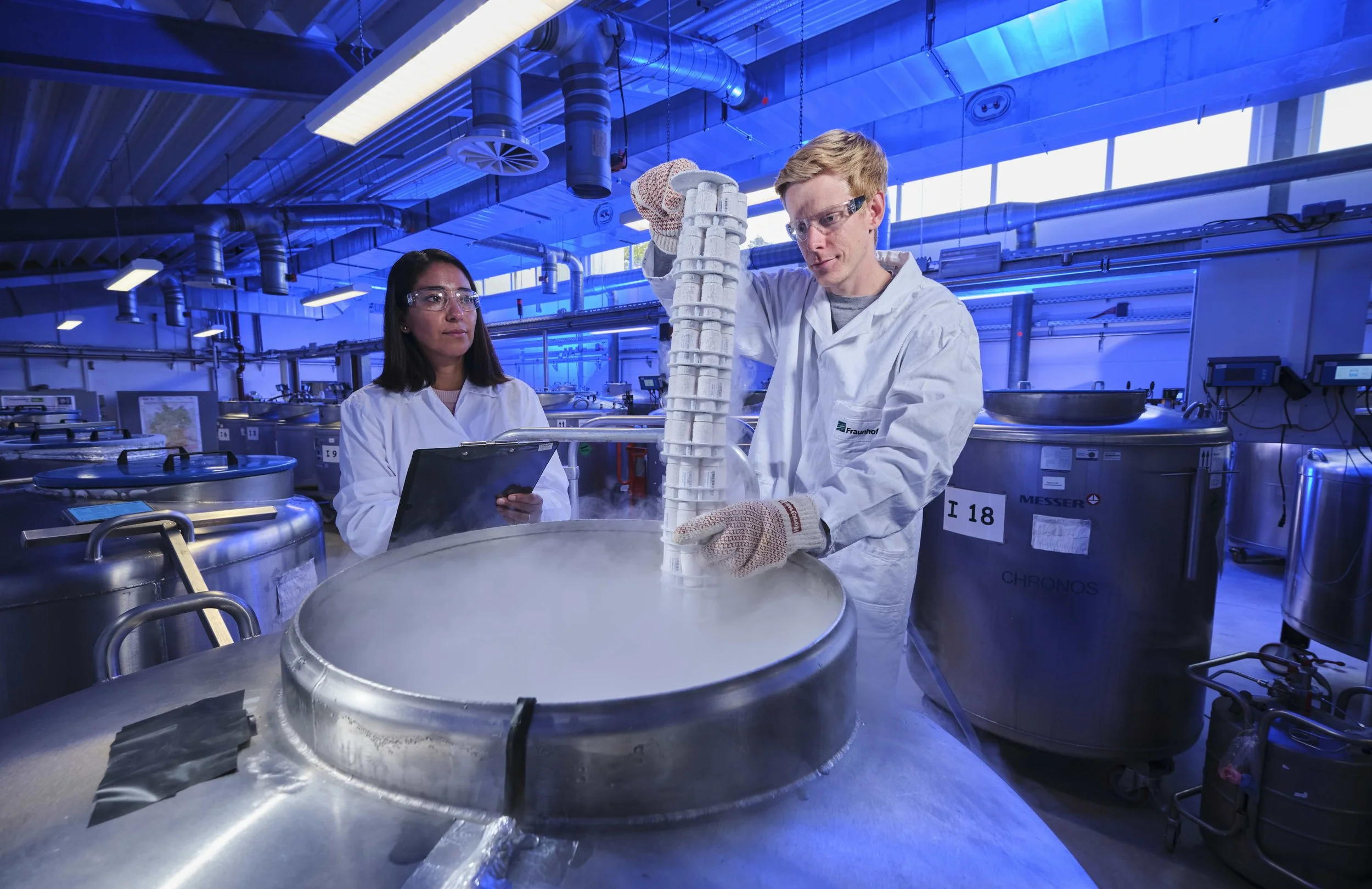
© Fraunhofer IME | Klaus-Peter Kappest
Thanks to technological developments in the field of genetic environmental monitoring, the ESB samples can provide important information on the state and changes in biological diversity (biodiversity), both retrospectively and prospectively, due to the systematic and standardised sampling carried out over long periods. The ESB samples thus offer enormous potential for a broad spectrum of biodiversity analyses, ranging from the population level through to species and species communities, and from microorganisms through to invertebrates, vertebrates and higher vascular plants, in terrestrial, marine and limnic habitats.
Project: BEAM
Funding: Carl-Zeiss-Stiftung -
Nexus 2026
Cooperation: ESB
Runtime: 2029-2031
Contact: Till-Hendrik Macher