EpiStress
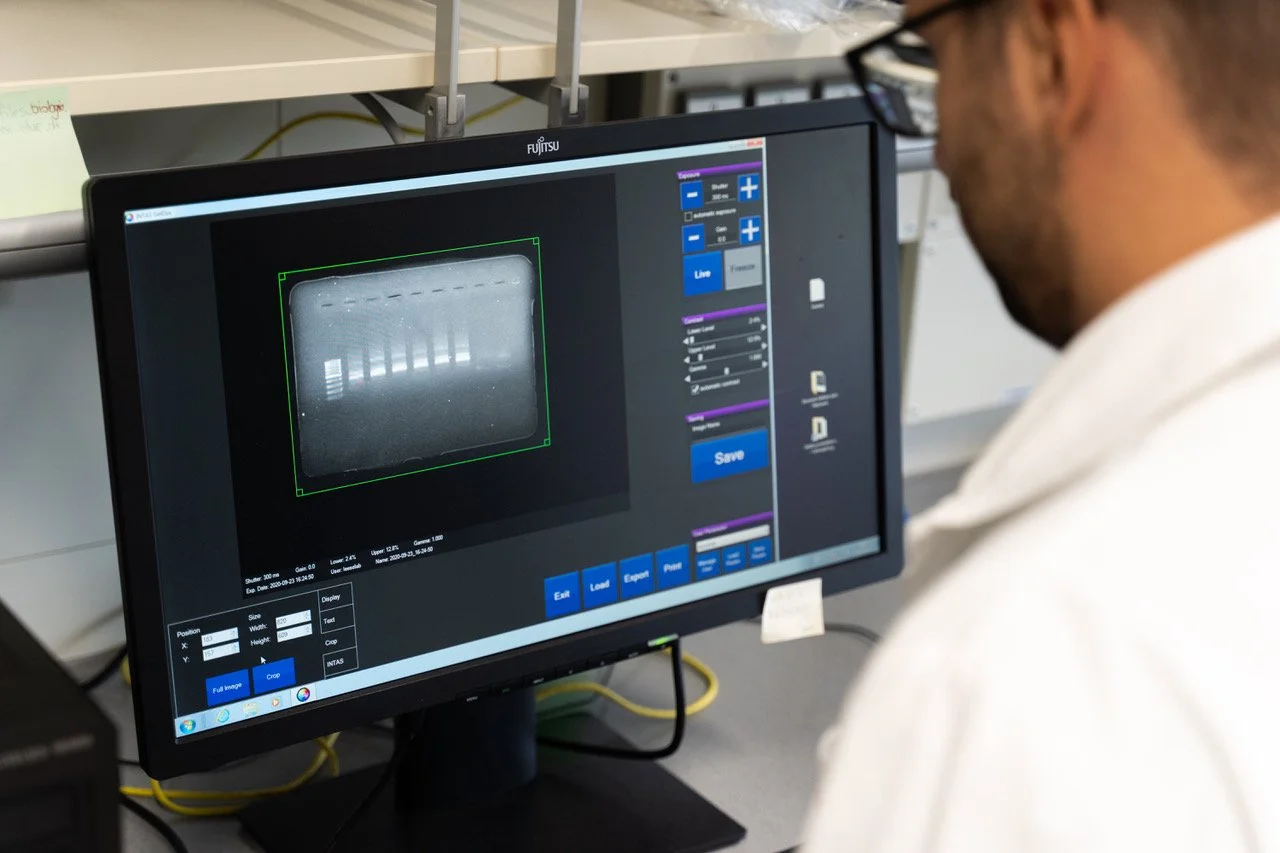
Fish carry a hidden record of the stress they've experienced, written into their DNA. Beyond revealing an animal's age, chemical marks called methylation, small tags that switch genes on or off, also shift in response to pollution, warming water, or degraded habitats. Building on the tools developed within EpiDNA, this project asks whether these subtle molecular signatures can be read straight from water samples, turning ordinary eDNA into an early-warning signal for environmental stress, without ever needing to catch or harm a fish in the process.
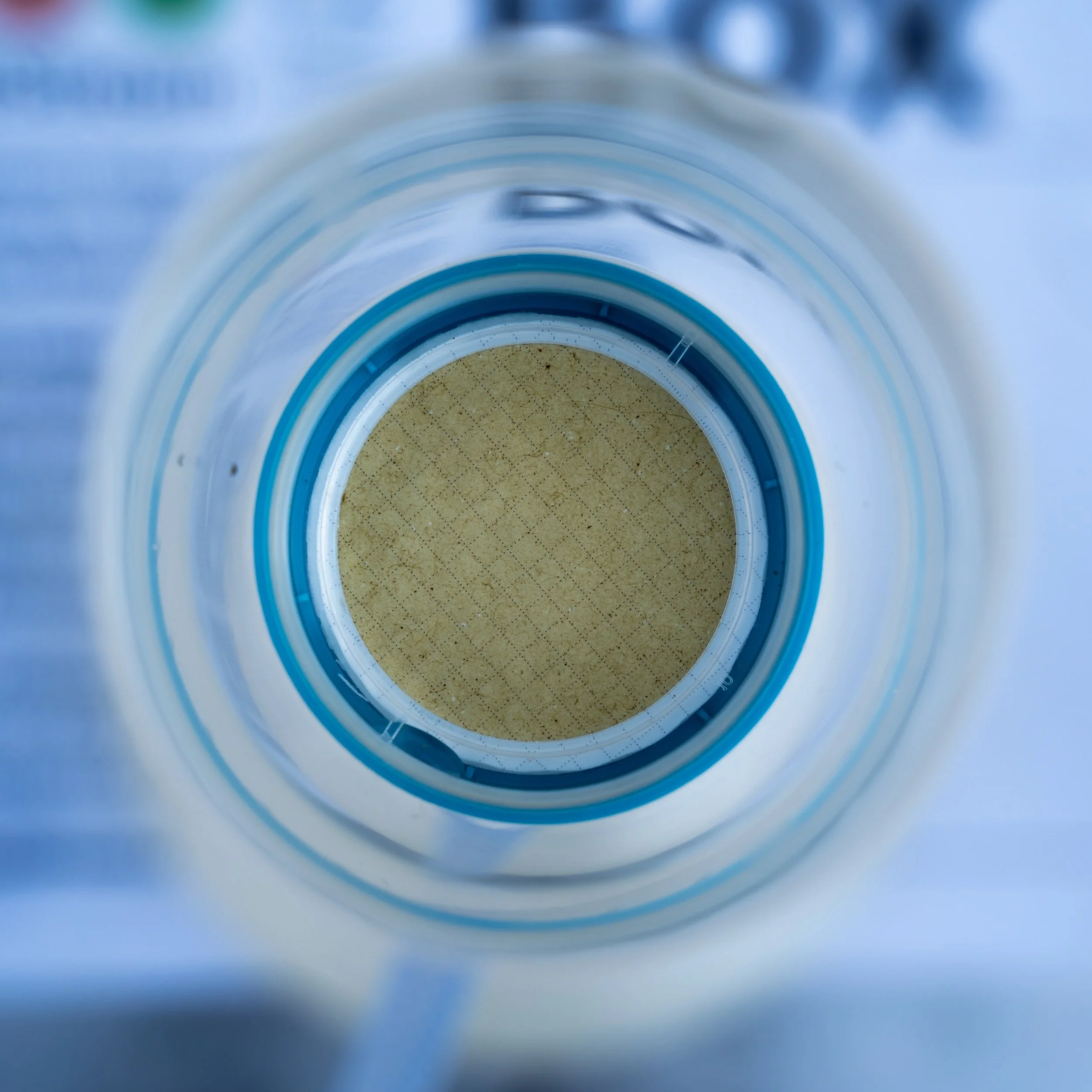
Once validated, the new protocols will be tested directly in rivers and streams, combined with real-world data on water chemistry, flow, and satellite-based habitat information. This makes it possible to disentangle how multiple stressors act together on wild fish populations, not just one at a time in isolation. The result is a scalable, non-invasive toolkit that connects molecular biology to real ecosystem management, helping regulators and conservationists detect harm early and respond before fish populations decline further.
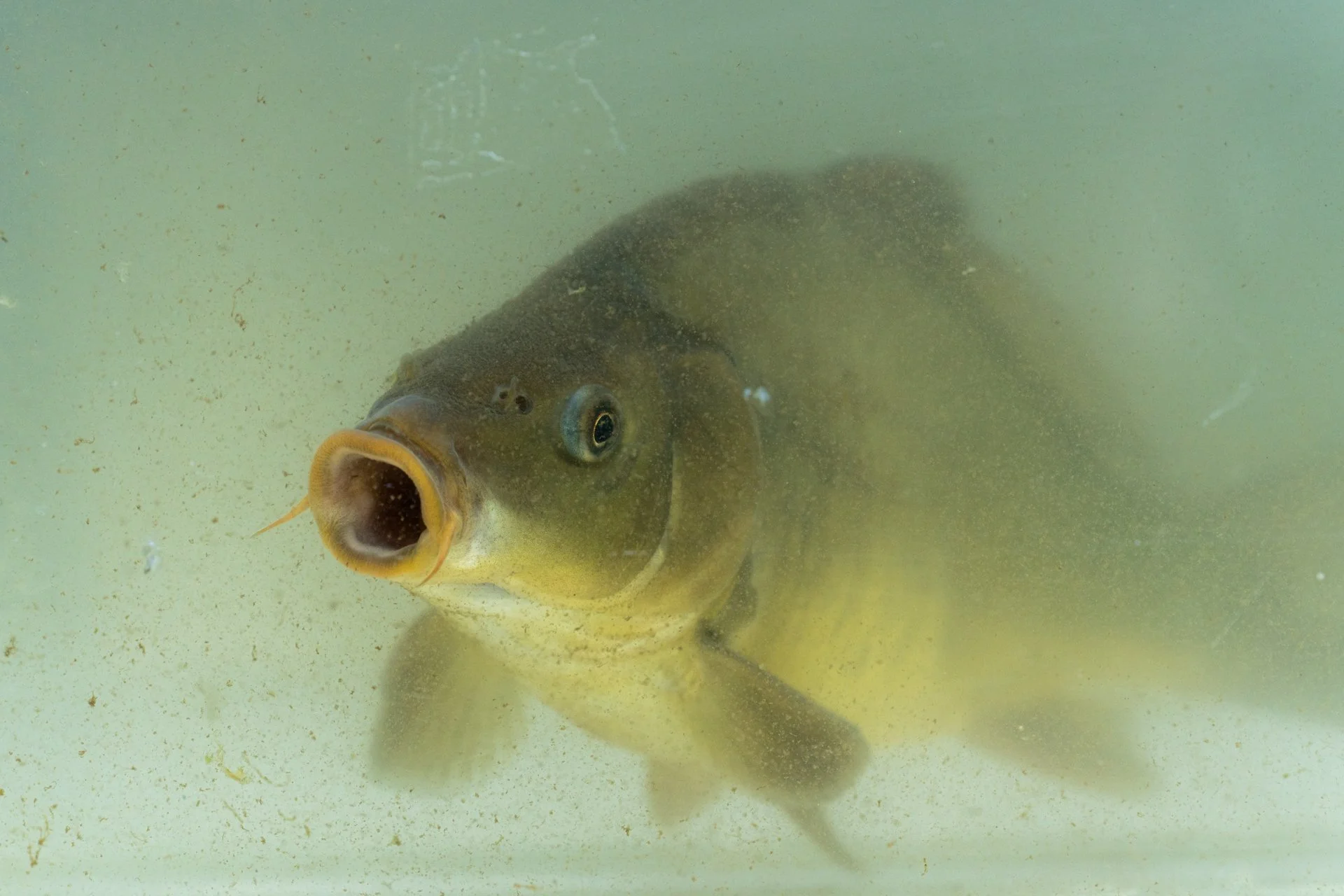
To find out, researchers first need a reliable reference. Brown trout will be studied both in controlled aquarium experiments, exposed to three different stressors across several test groups with multiple individuals each, and in the wild, comparing tissue samples with water-based eDNA. This side-by-side approach reveals which methylation patterns reliably track stress, and whether they can be detected just as clearly in a water sample as in the fish itself, laying the groundwork for a fully non-invasive stress-monitoring method that can later be applied more broadly.
Project: BEAM
Funding: Carl-Zeiss-Stiftung -
Nexus 2026
Cooperation:
Runtime: 2027-2029
Contact: Till-Hendrik Macher