
Environmental DNA (eDNA)
(1) Every living thing leaves a trace
All organisms constantly shed tiny bits of themselves into their surroundings: skin cells, mucus, scales, and waste. This genetic material is called environmental DNA, or eDNA.
(3) A glass of water, full of clues
A single liter of river or lake water can contain traces of hundreds of species, invisible to the eye but readable in the lab.
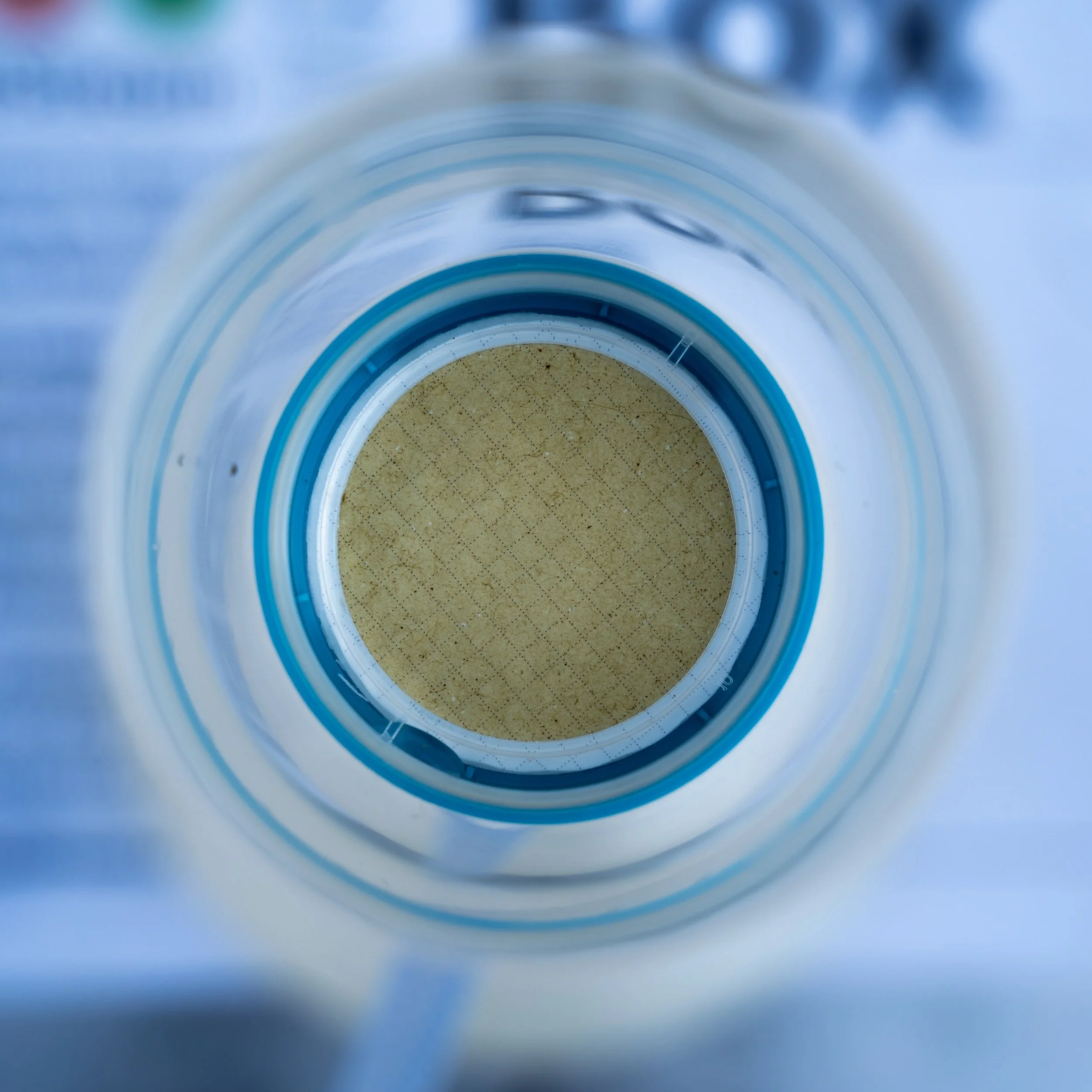
(5) Filtering out the DNA
The water is passed through a fine filter that catches the tiny particles carrying DNA, the same way a coffee filter catches grounds.
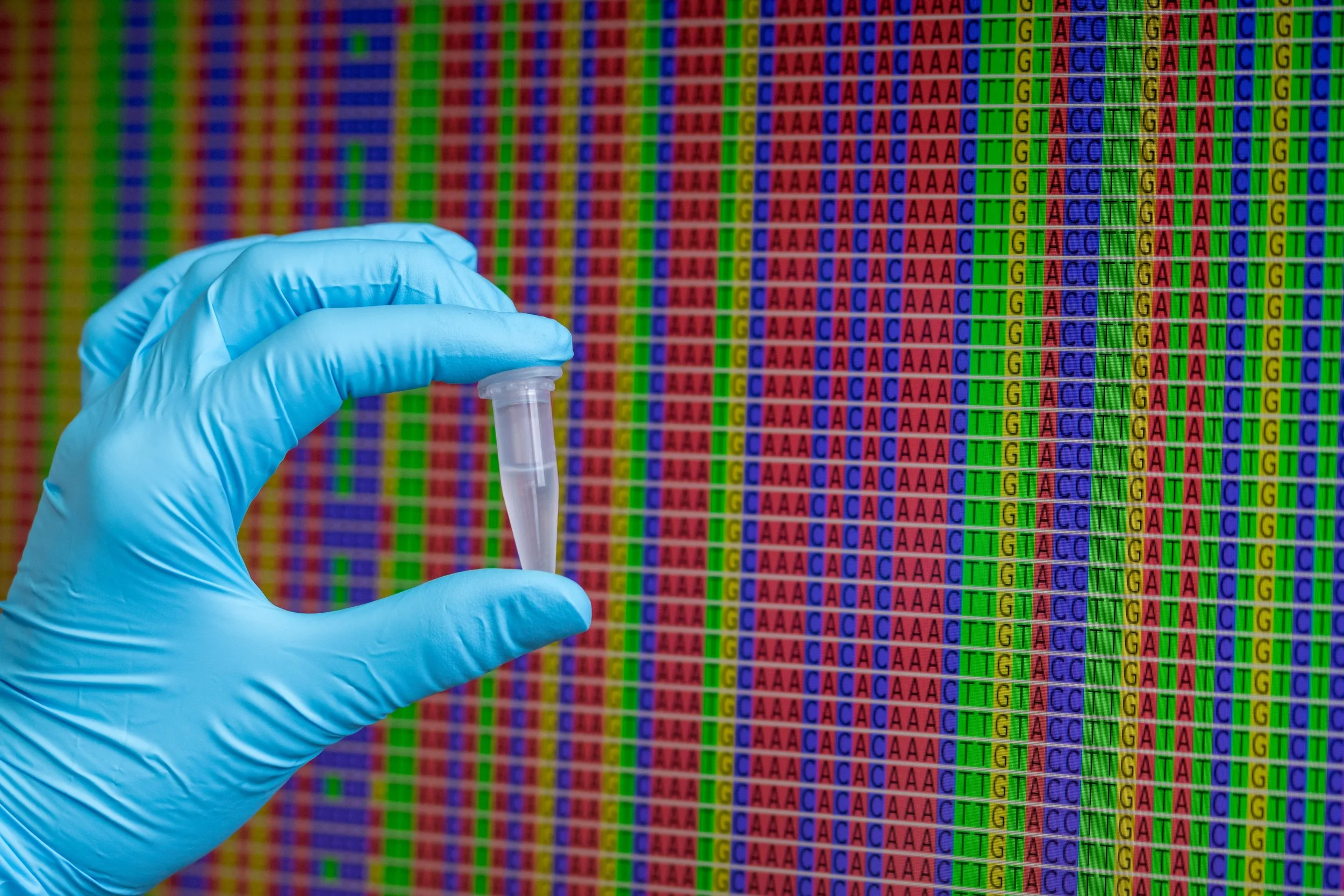
(7) Reading the genetic barcode
Every species carries small, unique stretches of DNA, like a barcode. Scientists compare these barcodes to known reference libraries to identify who was in the water.
(11) From single species to whole ecosystems
Combining presence, abundance, age, and stress data builds a far richer picture of ecosystem health than traditional monitoring alone.
(9) Non-invasive by design
Because eDNA sampling only requires water, it causes no stress or harm to fish or other wildlife, unlike netting or electrofishing.
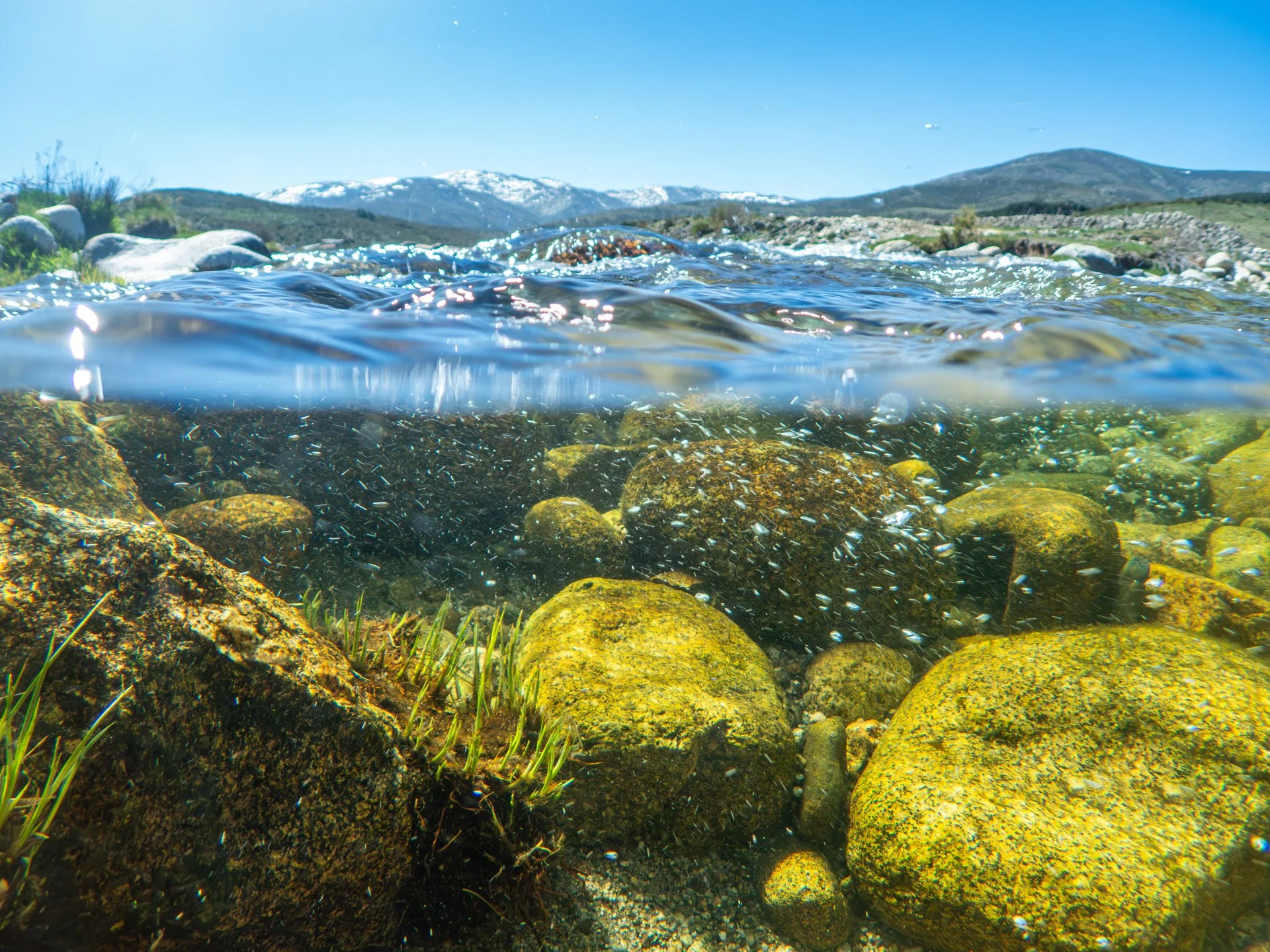
(12) Why it matters
eDNA is transforming how we monitor rivers and lakes, making biodiversity assessment faster, gentler, and more informative, a powerful tool for protecting freshwater life.
(2) DNA doesn't need a body
You don't need to catch or even see an animal to know it was there. Its DNA drifts in the water long after the animal itself has swum away.
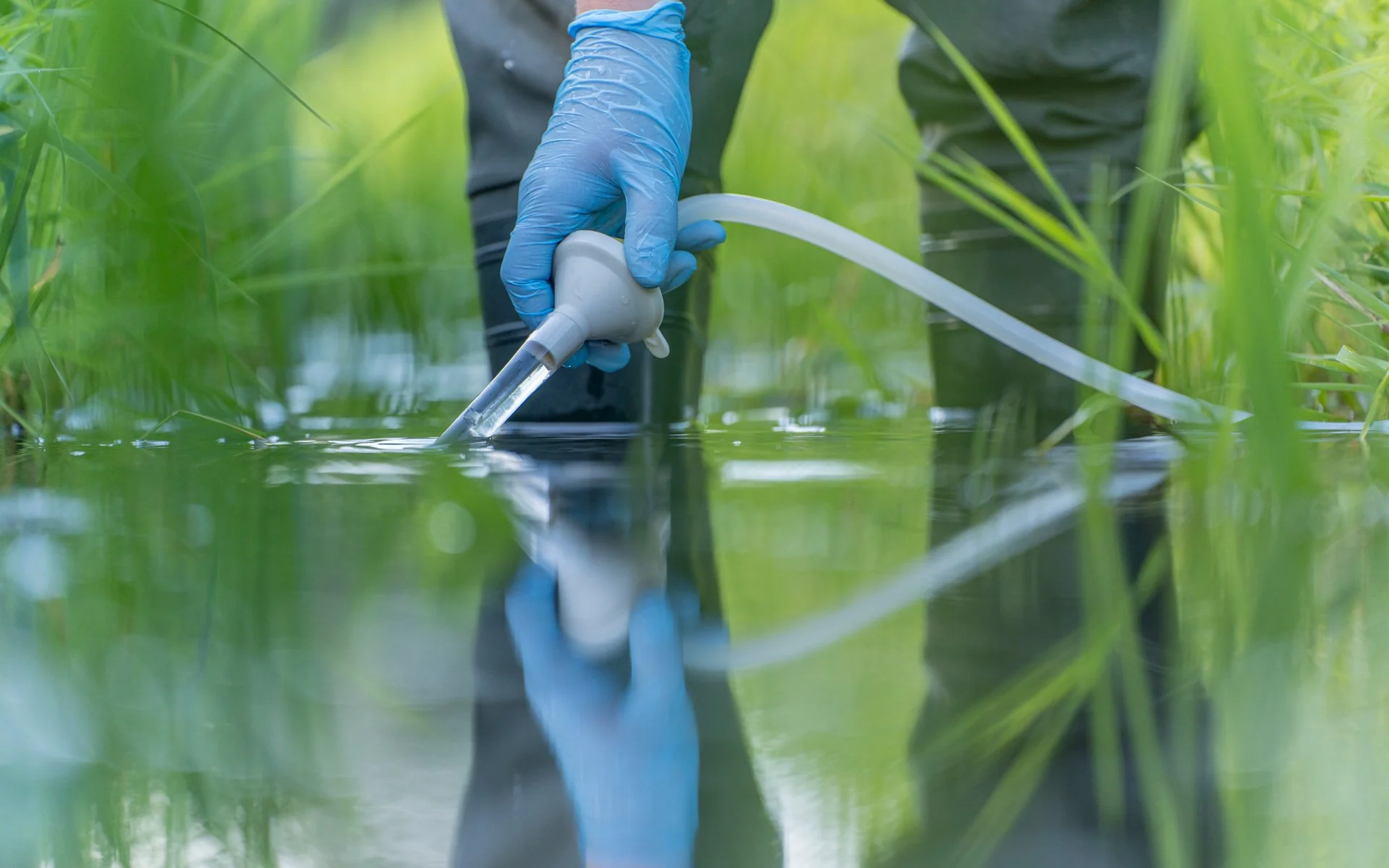
(4) Collecting the sample
Researchers simply scoop up water from a river, lake, or pond. No nets, no traps, no disturbance to the animals living there.
(6) Extracting the DNA
In the lab, the DNA is released from the captured particles, amplified using a PCR and is then ready to be read.
(8) A snapshot of who lives here
By matching barcodes, researchers can build a list of species present in a water body, without disturbing a single species.
(10) Beyond "who's there"
Our mission is to go further than just detecting presence. By developing novel methods, we want to estimate how a population is doing, investigating genetic diversity, age structure, and stressors.