EpiDNA
Understanding how rivers and lakes are changing - and intervening before it's too late - depends on one fundamental cornerstone: effective monitoring. Over the past decade, DNA-based methods have become an essential complement to traditional monitoring approaches. Environmental DNA (eDNA) - tiny genetic traces that organisms leave behind in the environment - also allows researchers to survey aquatic biodiversity efficiently and non-invasively. However, this method has so far answered only one fundamental question: which species are present in a given river or lake? For fish, species presence data alone provide only a part of the information we truly need to understand population dynamics, assess ecosystem health, and guide effective conservation management.
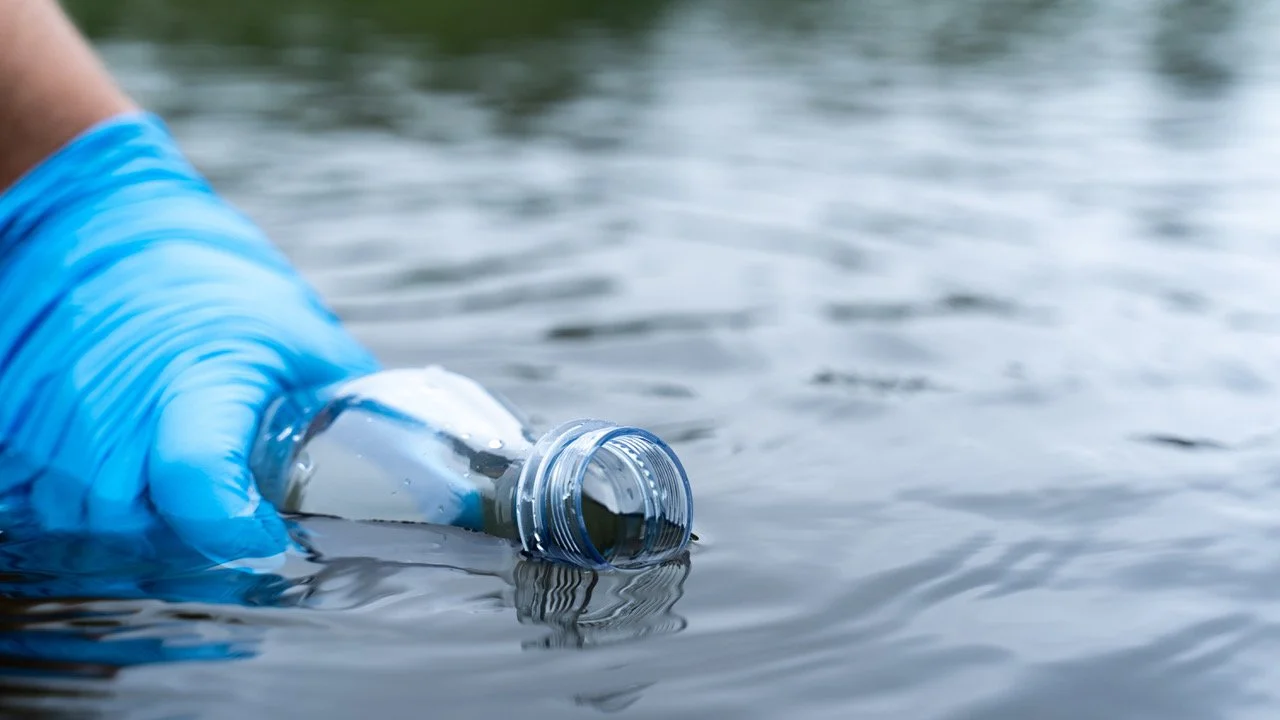
In the EpiDNA project, we analyse methylation patterns using next-generation sequencing to estimate the age structure of fish populations, using non-invasive water samples. The use of nets and traps, as well as the handling of live animals, is no longer required. This will mark a genuine milestone for both scientific research and routine biodiversity monitoring, as this method will facilitate the fulfilment of the Water Framework Directive (WFD) and the implementation of conservation management, with the aim of protecting freshwater ecosystems.
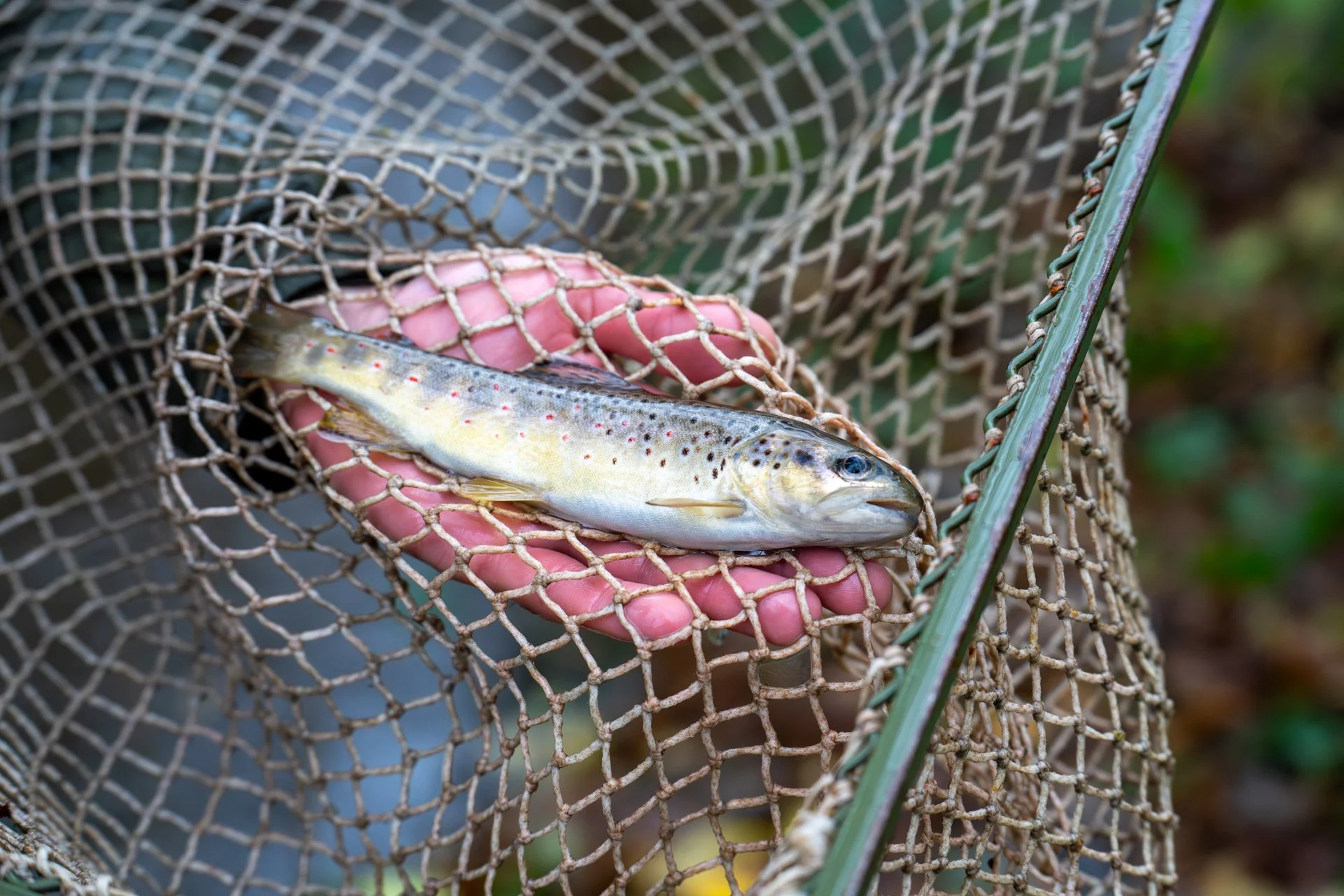
To properly evaluate the health status of a population or a water body itself, we must also question: How many individuals are present, and how old are they? Information about the ecosystem - including species presence and abundance and population age structure - is crucial to fulfilling the requirements of the Water Framework Directive (WFD). This is where a promising new avenue emerges: DNA methylation - small chemical modifications to the genome that change in predictable patterns with age, providing a powerful source of biological information. These epigenetic marks contain information that has, until now, remained inaccessible using standard eDNA methods.
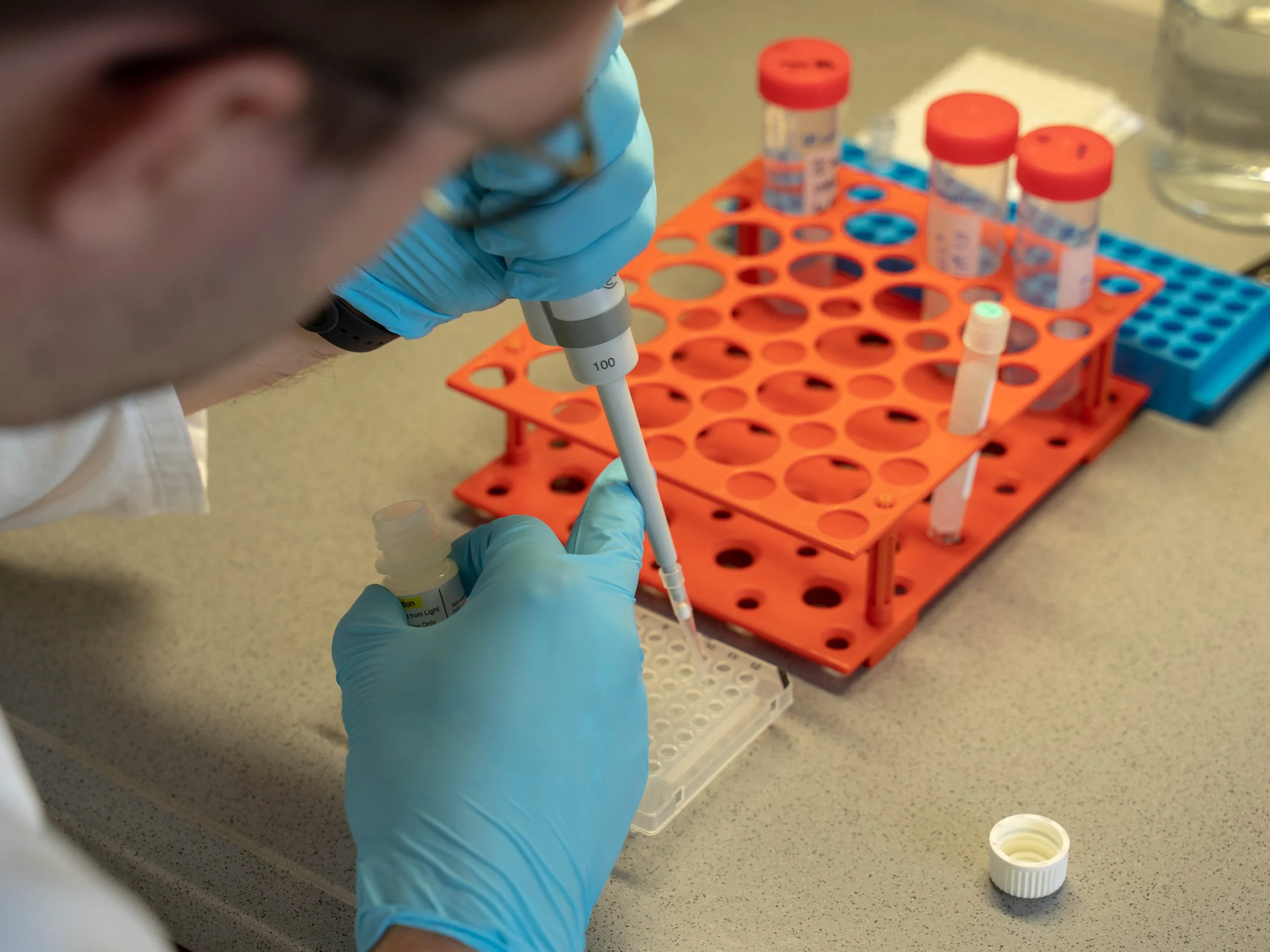
Project: EpiDNA
Funding: Karl-Heinz Frenzen-Stiftung – Forschungsgeist!
Next Generation Sequencing in der Ökosystemforschung!
Runtime: 2026-2029
Contact: Nina Marschel &
Till-Hendrik Macher