
From Molecules to Ecosystems:
Advancing eDNA-based Bio(diversity) Monitoring
Planet in Peril
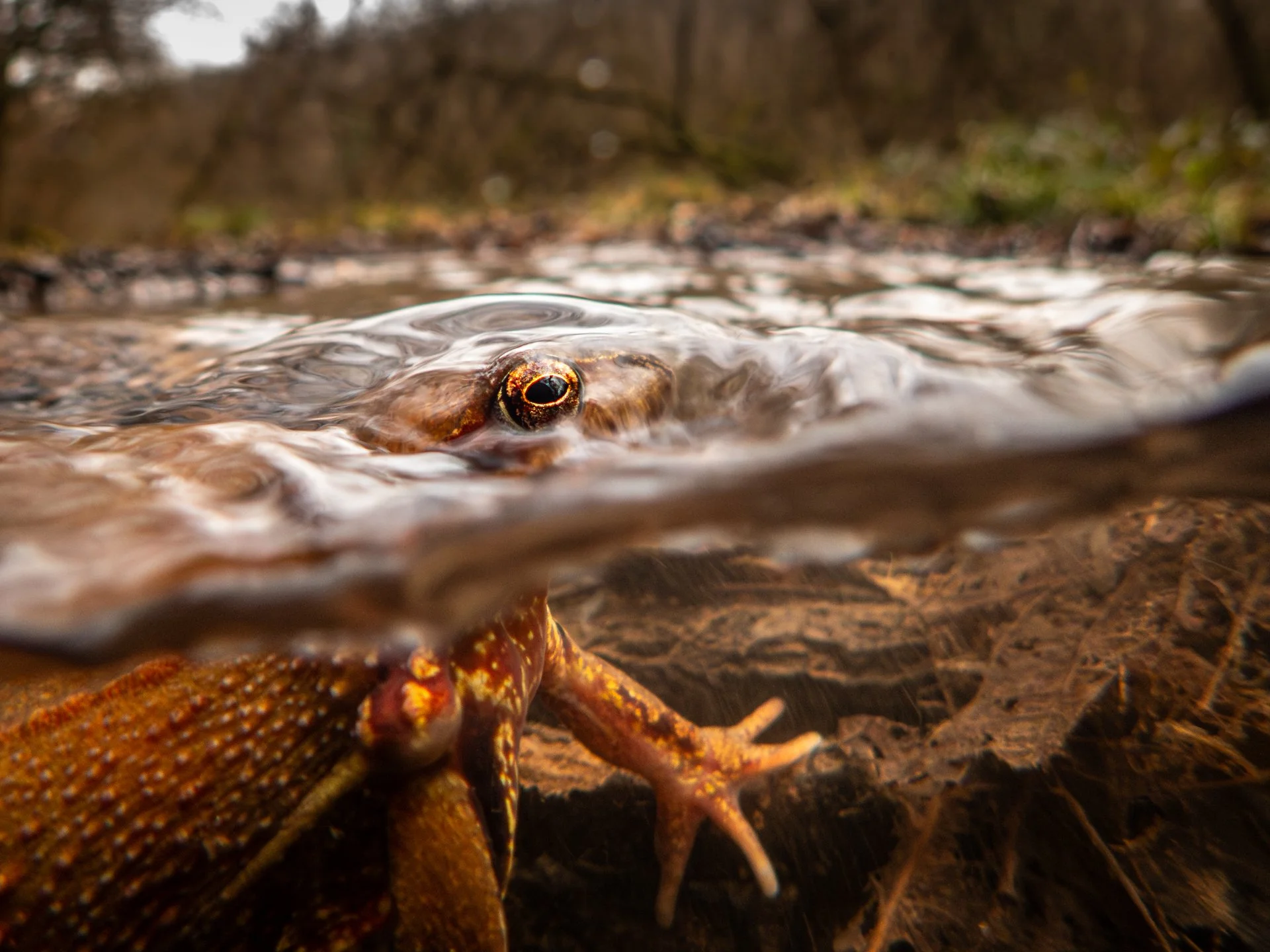
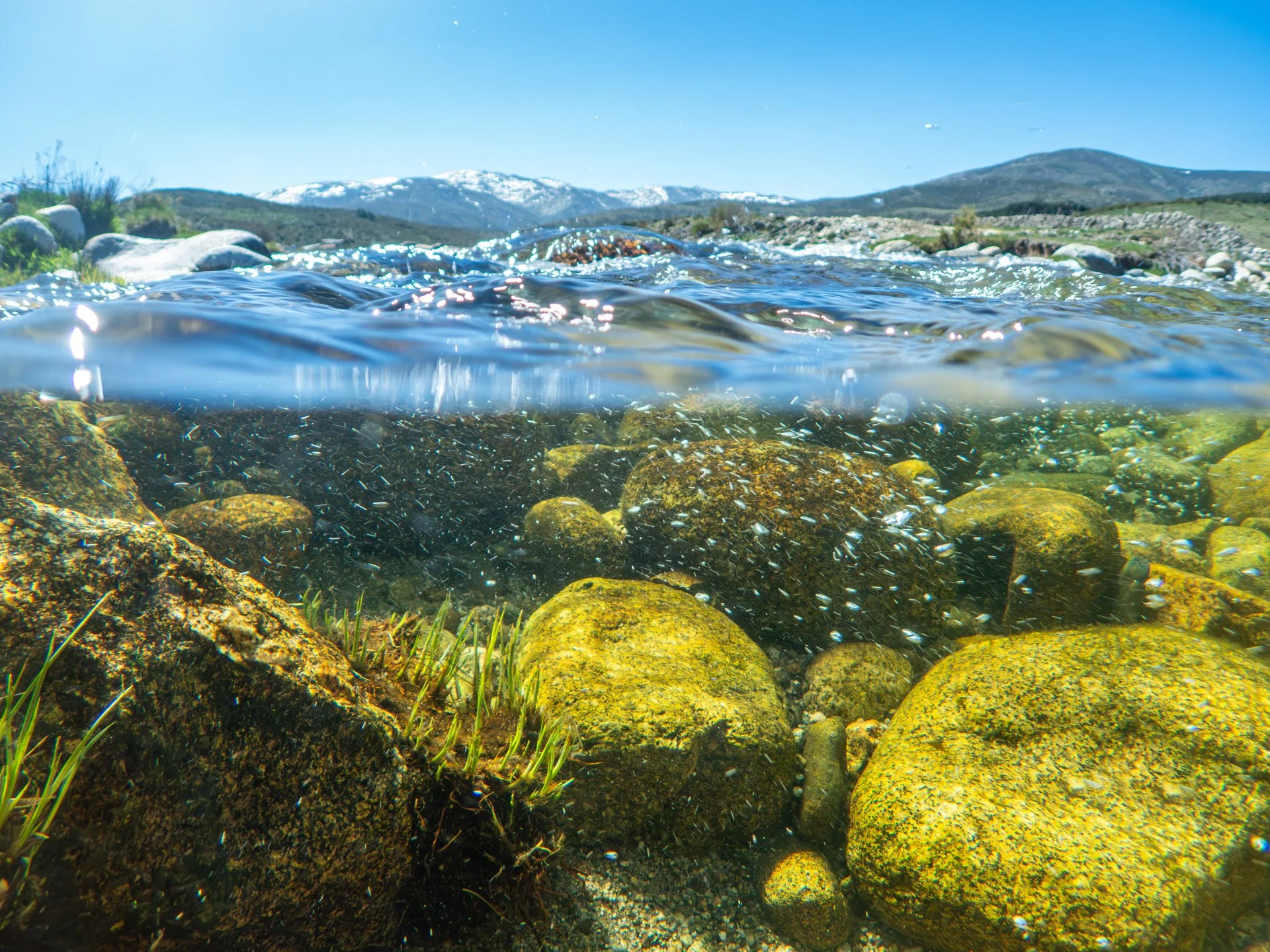
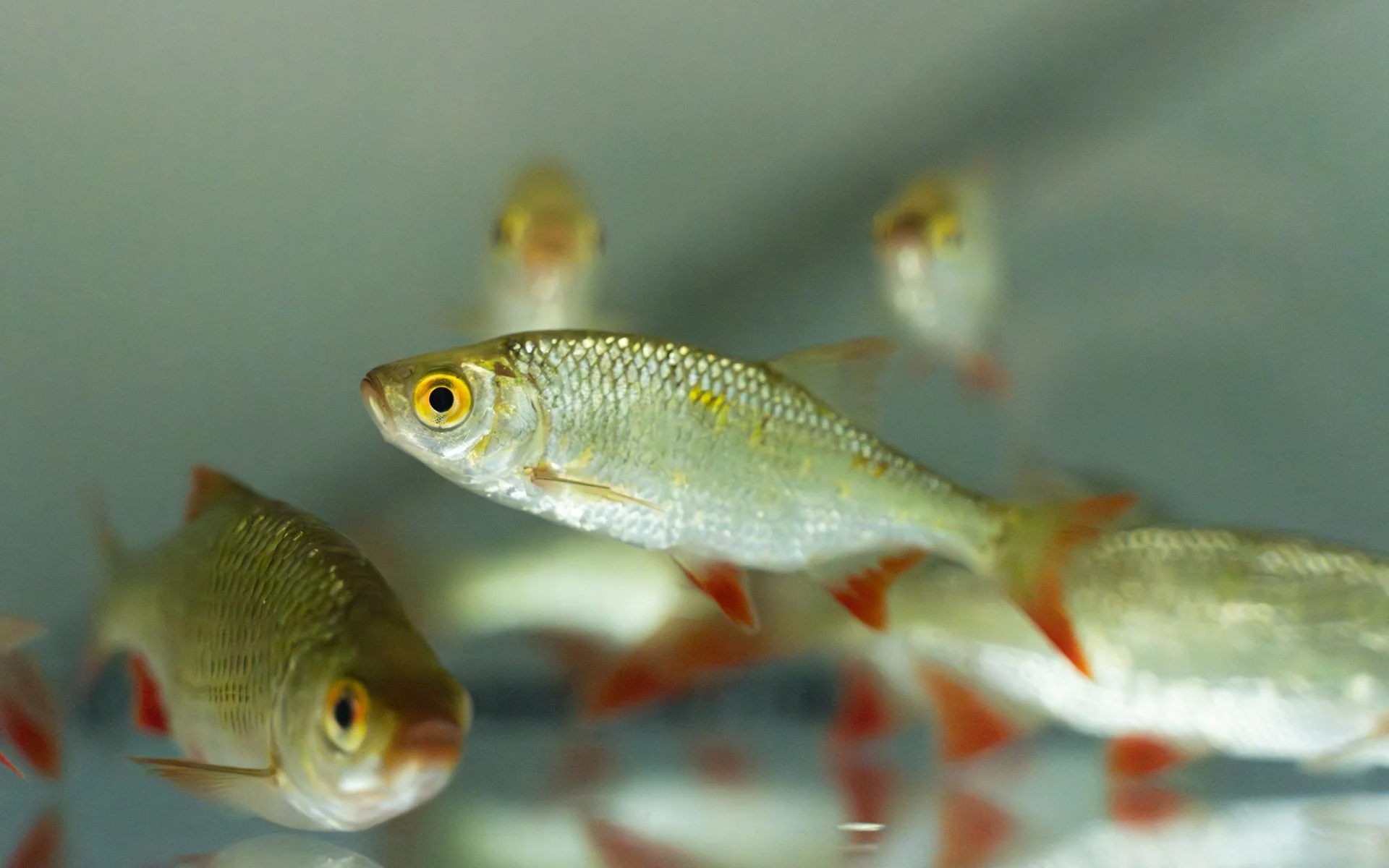
Freshwater habitats cover only about 0.8% of the Earth's surface, yet they harbor around 10% of all known species and are essential to human life, providing drinking water, food, and livelihoods for billions of people. Despite this, rivers and lakes are among the most threatened ecosystems worldwide, and freshwater biodiversity is declining faster than in any other biome, both on land and in the ocean.
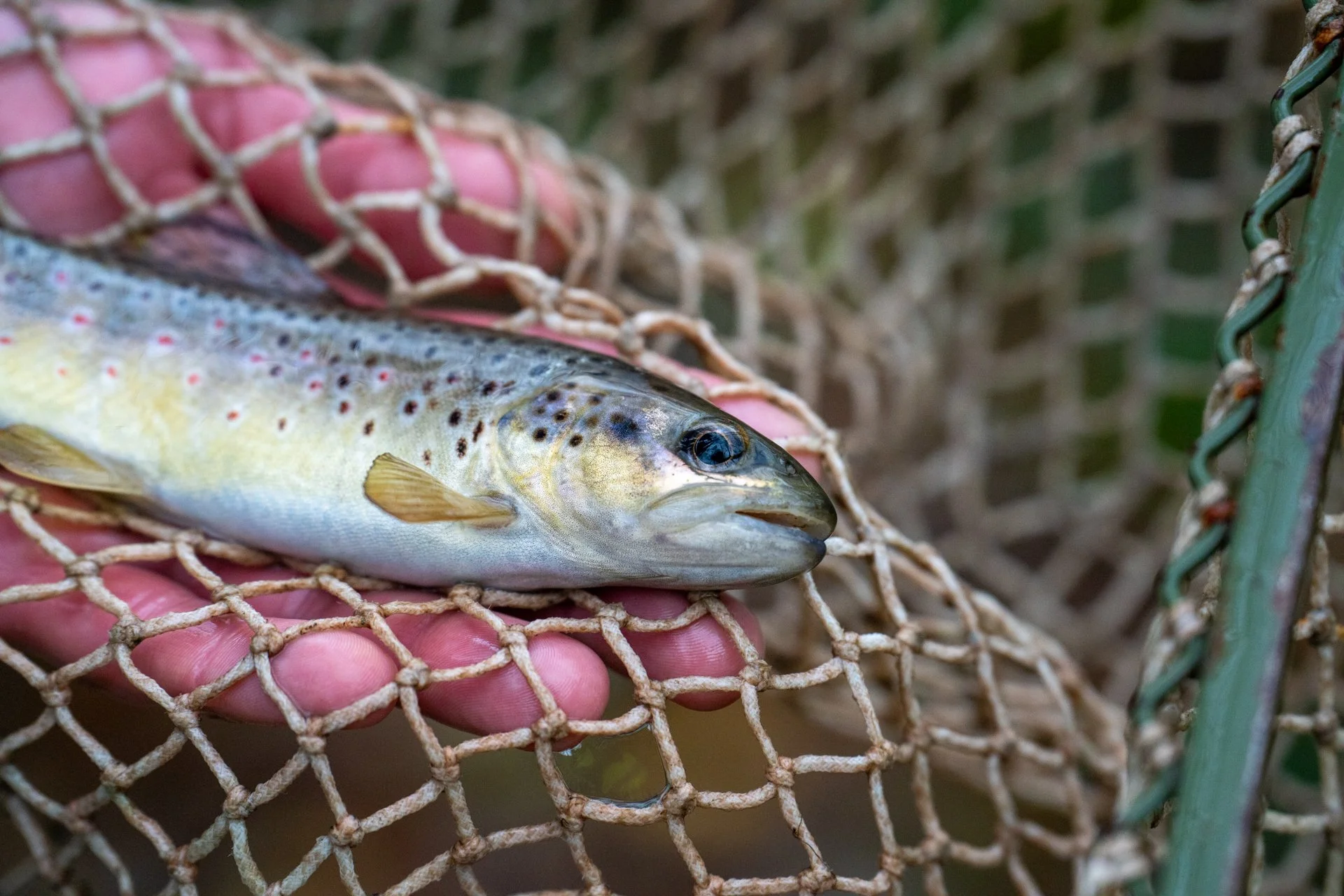
Overexploitation, pollution, habitat degradation, and invasive species have driven freshwater biodiversity down by more than 85% since 1970 (WWF, Living Planet Report 2024), with freshwater fish populations among the hardest hit. Many of these declines go unnoticed until populations have already collapsed, as the changes unfold underwater, out of sight and often years ahead of visible signs. Effective monitoring is therefore critical, not only to understand these losses, but to detect them early enough to guide meaningful conservation action.
Biodiversity Monitoring (R)evolution
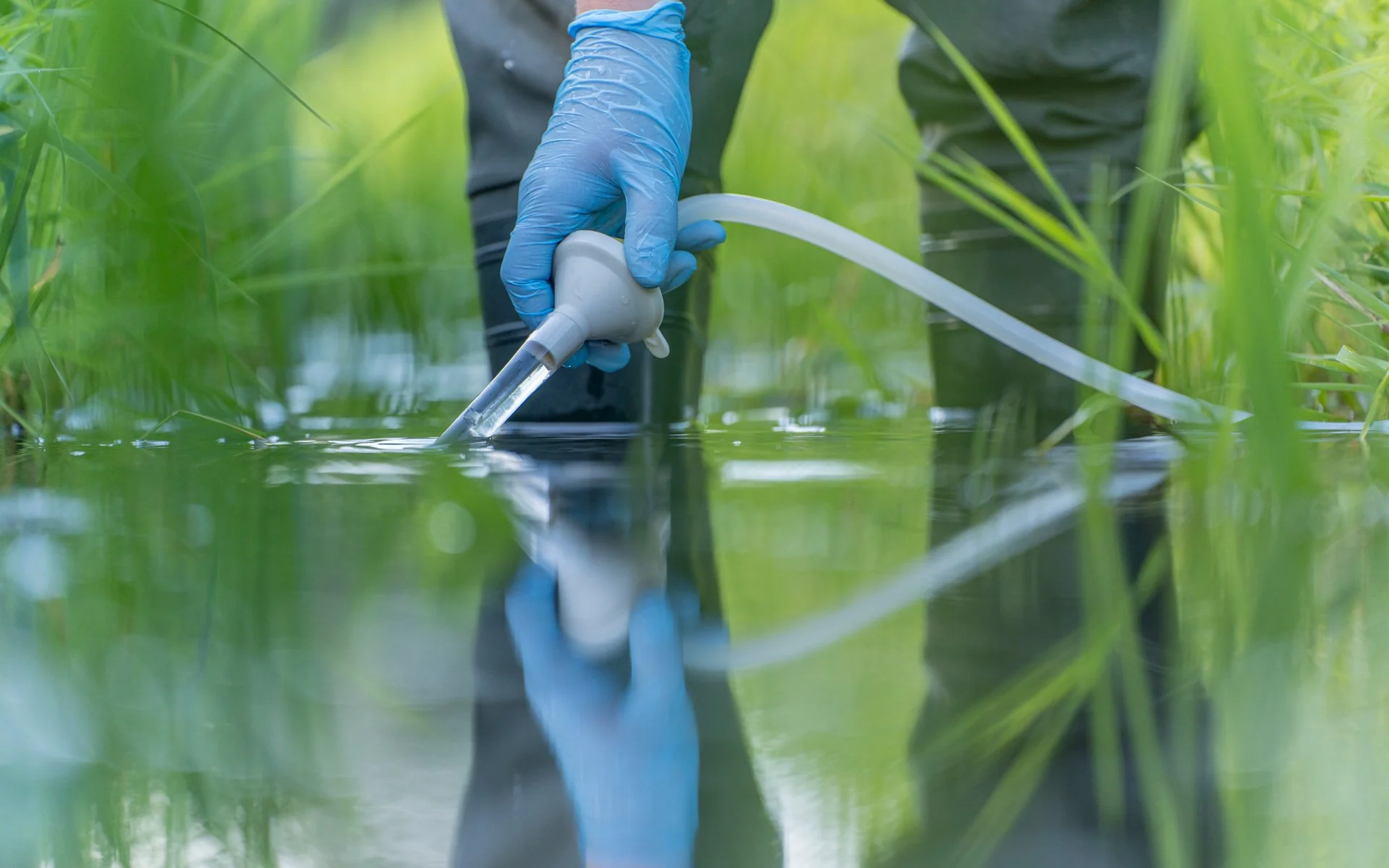
For decades, biodiversity monitoring relied on catching, counting, and identifying organisms by eye, methods that are labor-intensive, invasive, and often limited to species that are easy to observe or capture. As pressures on freshwater ecosystems intensify, this traditional toolkit is no longer enough to keep pace with the speed and scale of change.
A new generation of molecular and computational methods is reshaping how we observe nature, from environmental DNA and genomic tools to remote sensing and artificial intelligence, each adding a novel layer of information. Rather than replacing traditional monitoring, these approaches extend it, revealing not just which species are present, but their abundance, age structure, genetic connectivity, and physiological condition.
This shift is as much an evolution as a revolution: building on established ecological knowledge while fundamentally expanding what is possible to measure, and how quickly. For freshwater ecosystems in particular, where biodiversity loss has outpaced our ability to track it, these tools offer a rare opportunity to close that gap. Realizing this potential requires bridging disciplines, molecular biology, chemistry, remote sensing, and data science, into integrated monitoring systems built for the scale of the crisis. This convergence marks the beginning of a genuine (r)evolution in how we understand and protect biodiversity.
Our Vision
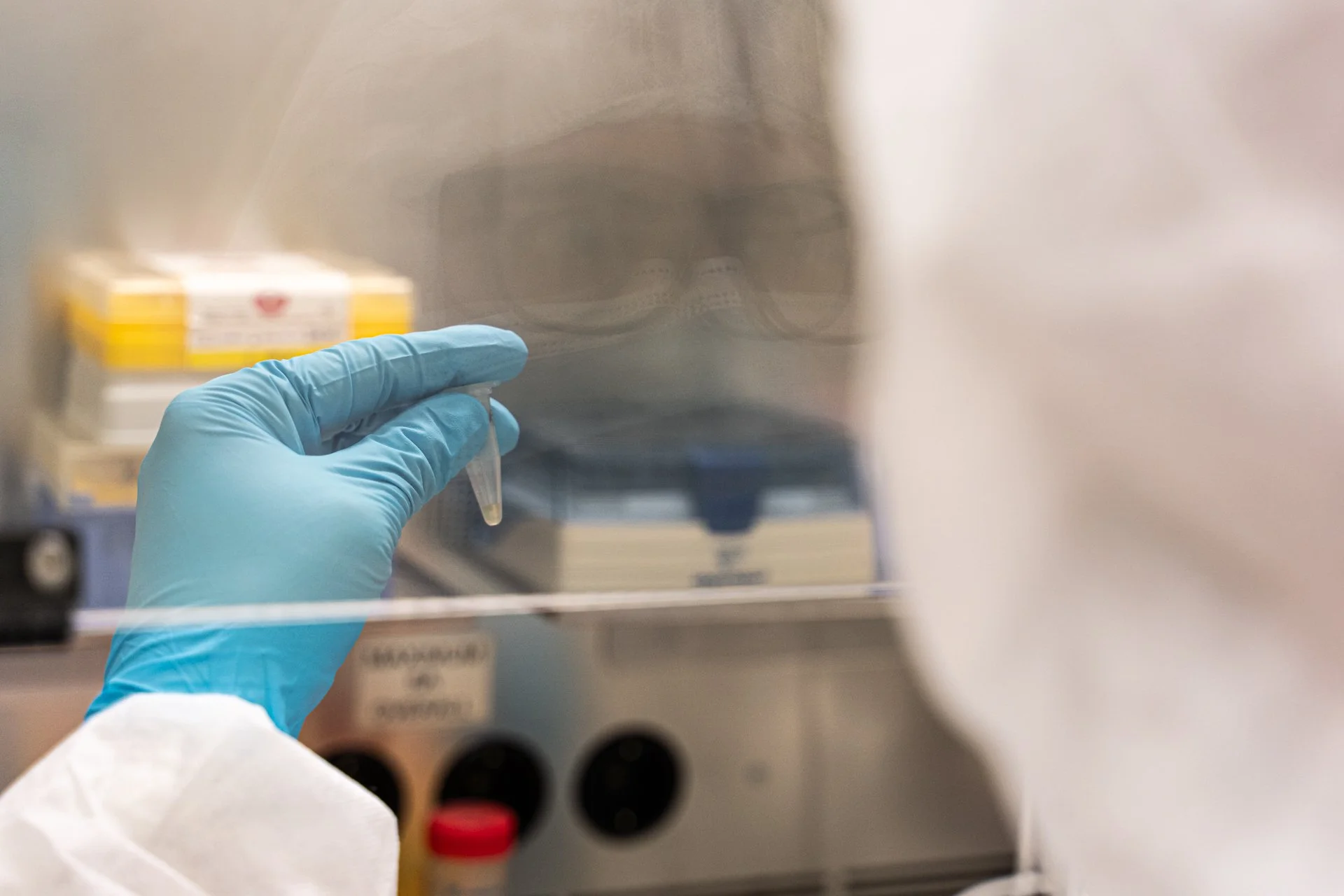
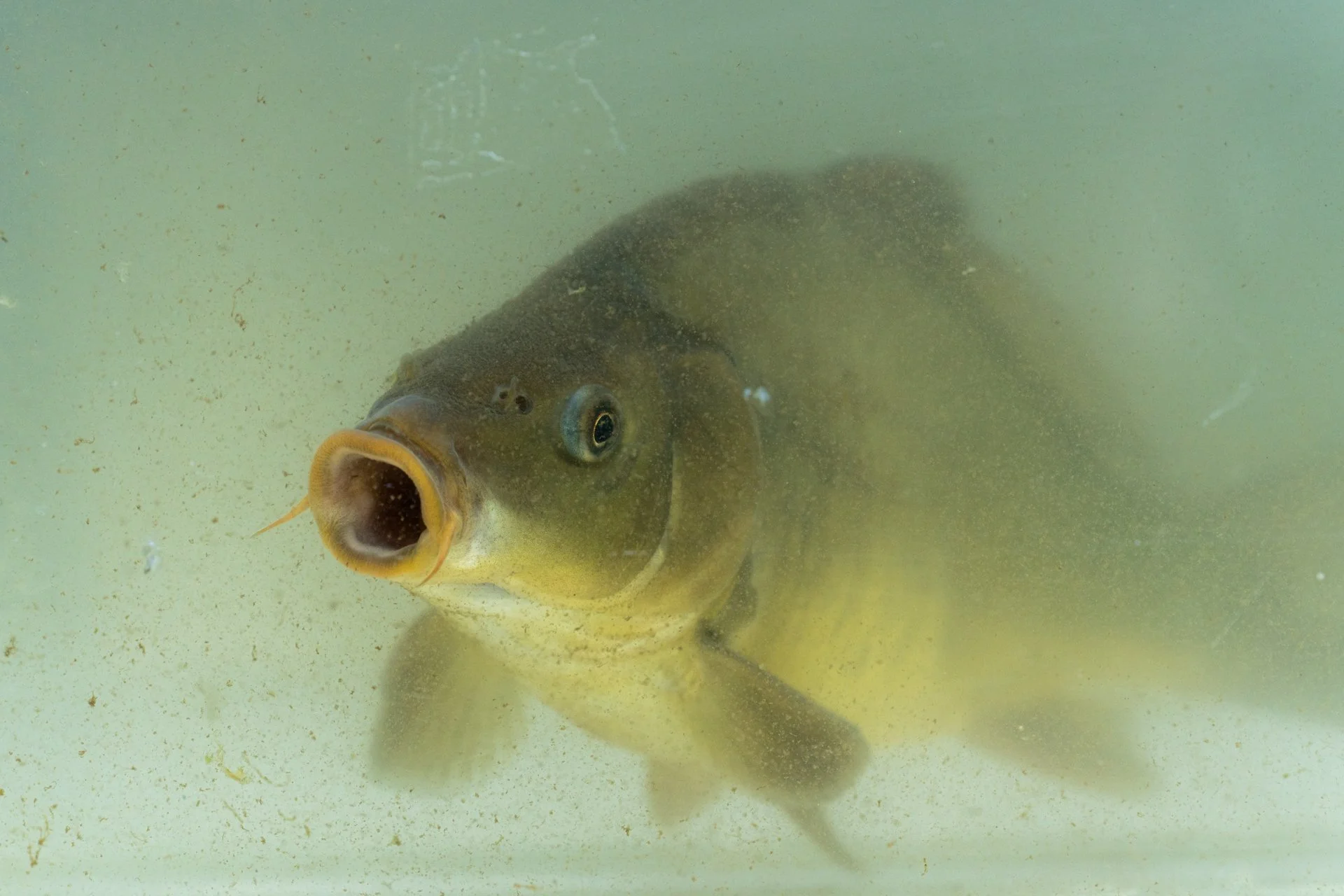
The development of novel and non-invasive methods is the focus of our work in the EpiDNA Project, developing eDNA-based approaches to fish monitoring that infer population connectivity without invasive sampling, identify environmental stress through epigenetic signatures, and build ecological indices such as the Environmental DNA Index (EDIX), all embedded in the interdisciplinary Project BEAM, "Bridging Environmental Monitoring and Next-Generation Methods to Rethink Biodiversity Monitoring in a Changing World," a five-year interdisciplinary junior research group that combines molecular ecology, environmental chemistry, remote sensing, software development, and artificial intelligence to reconstruct long-term biodiversity change and explore the societal and economic value of biodiversity, together advancing biodiversity monitoring conceptually and methodologically while training a new generation of environmental scientists.
Communicating Nature
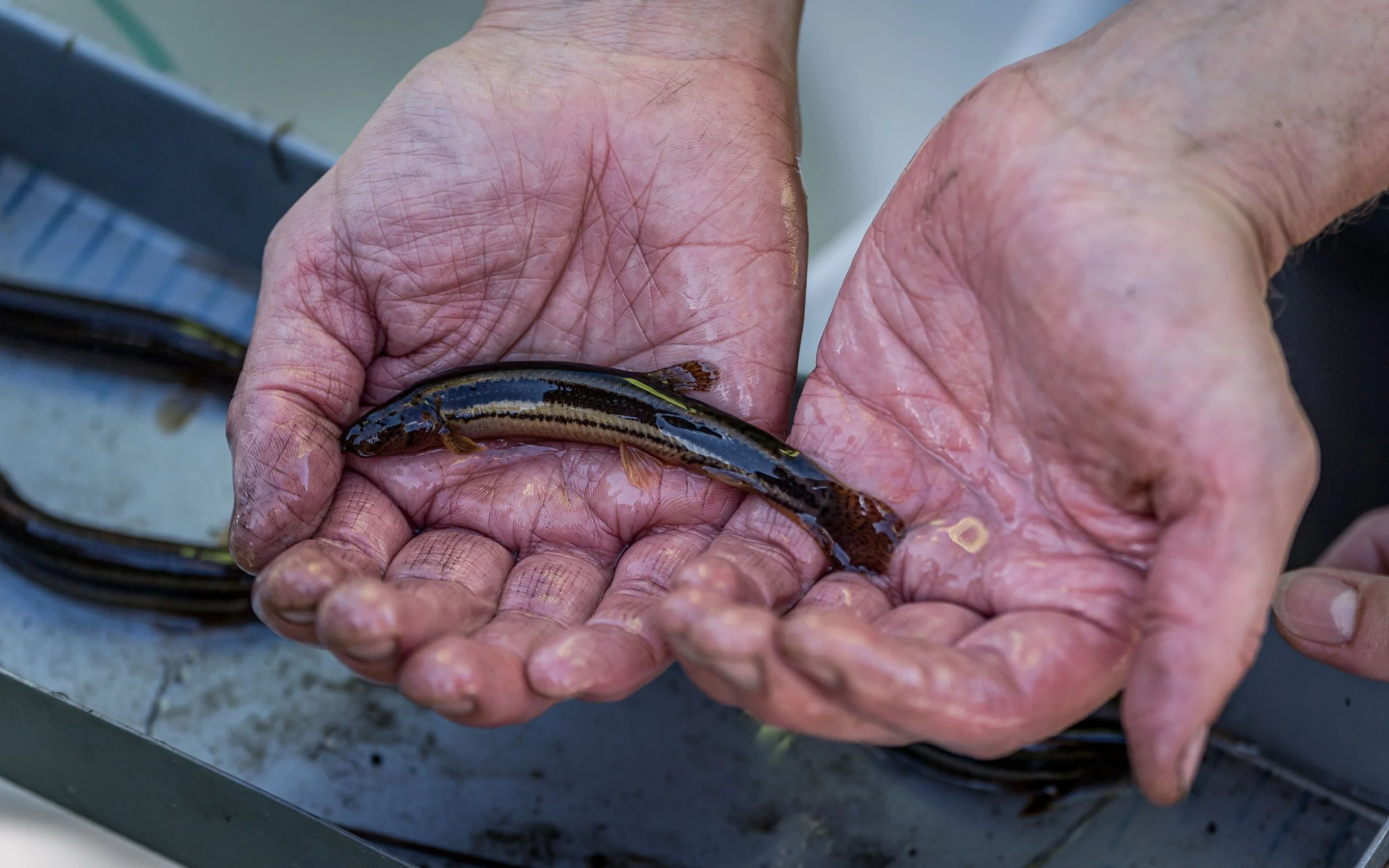
Communicating nature is just as important as researching it. Biodiversity loss caused by human activity has consequences that are often overlooked, and making nature's value tangible to people helps turn scientific findings into public awareness, policy action, and sustainable choices. Beyond our scientific work, we are committed to communicating nature and the importance of its protection to a broader audience. At dedicated events, citizens and nature enthusiasts get a hands-on look at how scientists study biodiversity, from traditional methods like electrofishing to cutting-edge DNA analysis. The highlight: environmental DNA samples are analyzed live on a portable sequencer, revealing the genetic traces of species hidden in a single drop of water in real time. It's a fun, interactive way to experience how modern molecular tools help us understand species loss, ecosystem health, and conservation, and to bring nature a little closer to everyone.
Making an Impact
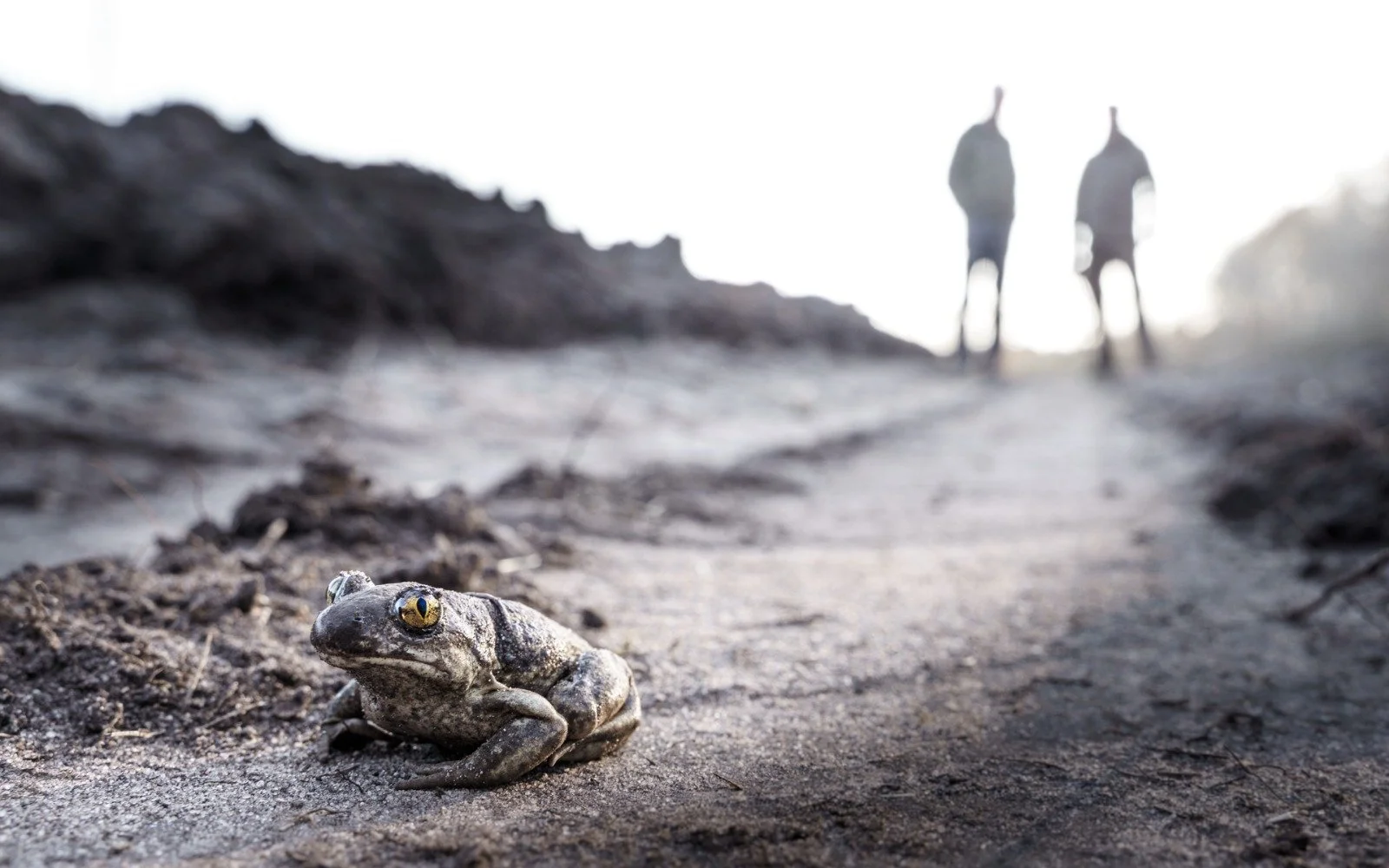
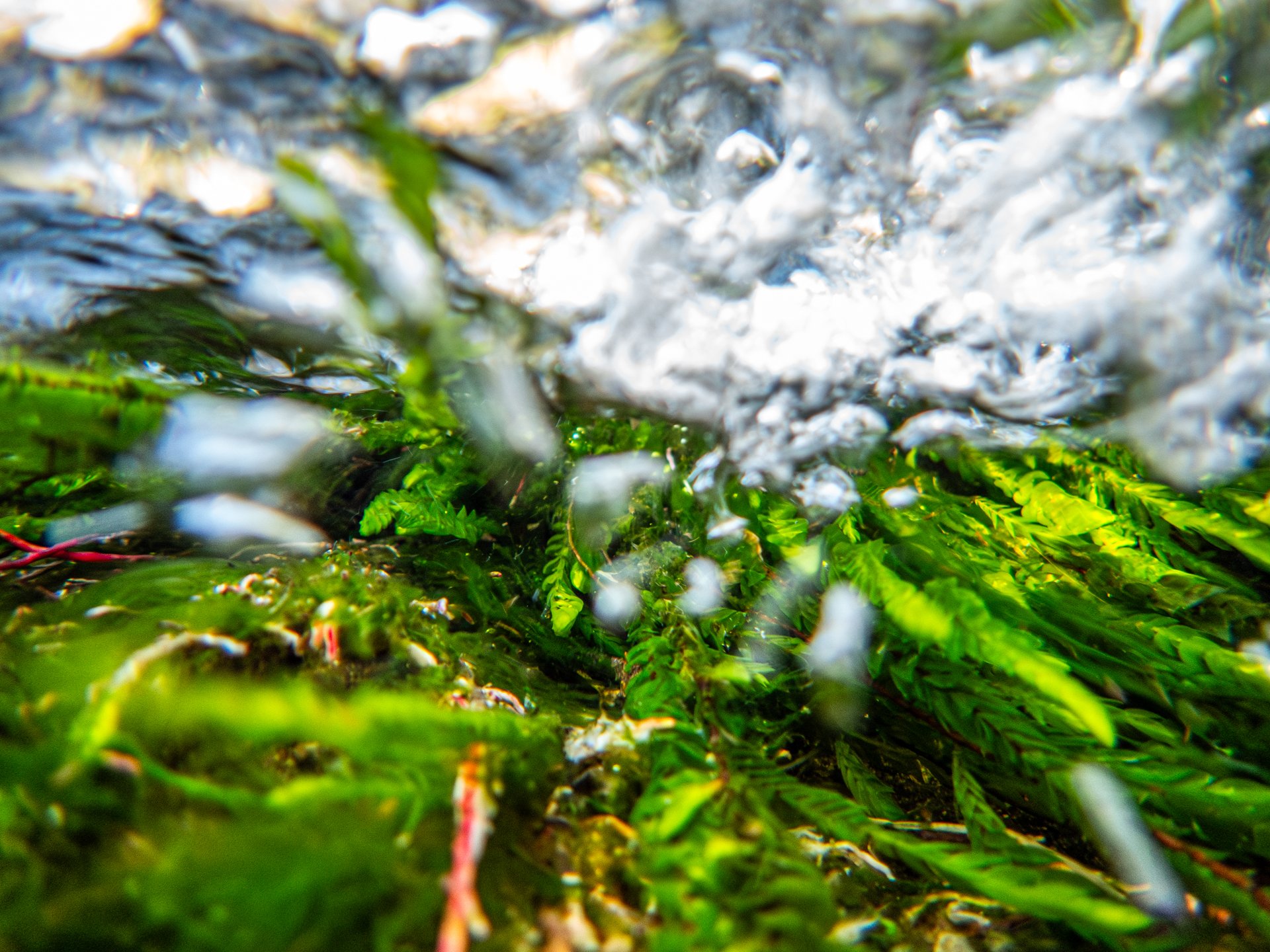
Making an impact means bringing science and imagery together to move people, not just inform them. A striking photograph can capture the fragility of an ecosystem in a way that data alone cannot, and pairing powerful nature photography with solid scientific findings helps turn observation into action. As part of our work, we combine field research with visual storytelling to showcase the species and habitats we study, making their beauty and vulnerability visible to a wider audience. Through exhibitions, social media, and public campaigns, striking images of the very ecosystems we investigate scientifically become tools for advocacy, helping to build public support for nature protection and inspire people to engage with conservation in their own communities.
Institution and Funding

Junior Research Group for Molecular Biomonitoring
Trier University
Project BEAM