Ecological Status
"Ecological status" is the central concept behind the EU Water Framework Directive (WFD, 2000/60/EC), Europe's key legal framework for protecting rivers, lakes, and streams. It classifies every water body into one of five categories, from high to bad, based on how far its biological communities deviate from natural, near-pristine reference conditions. This biological assessment sits alongside chemical measurements, using the organisms living in a water body as a direct proxy for its ecological health.
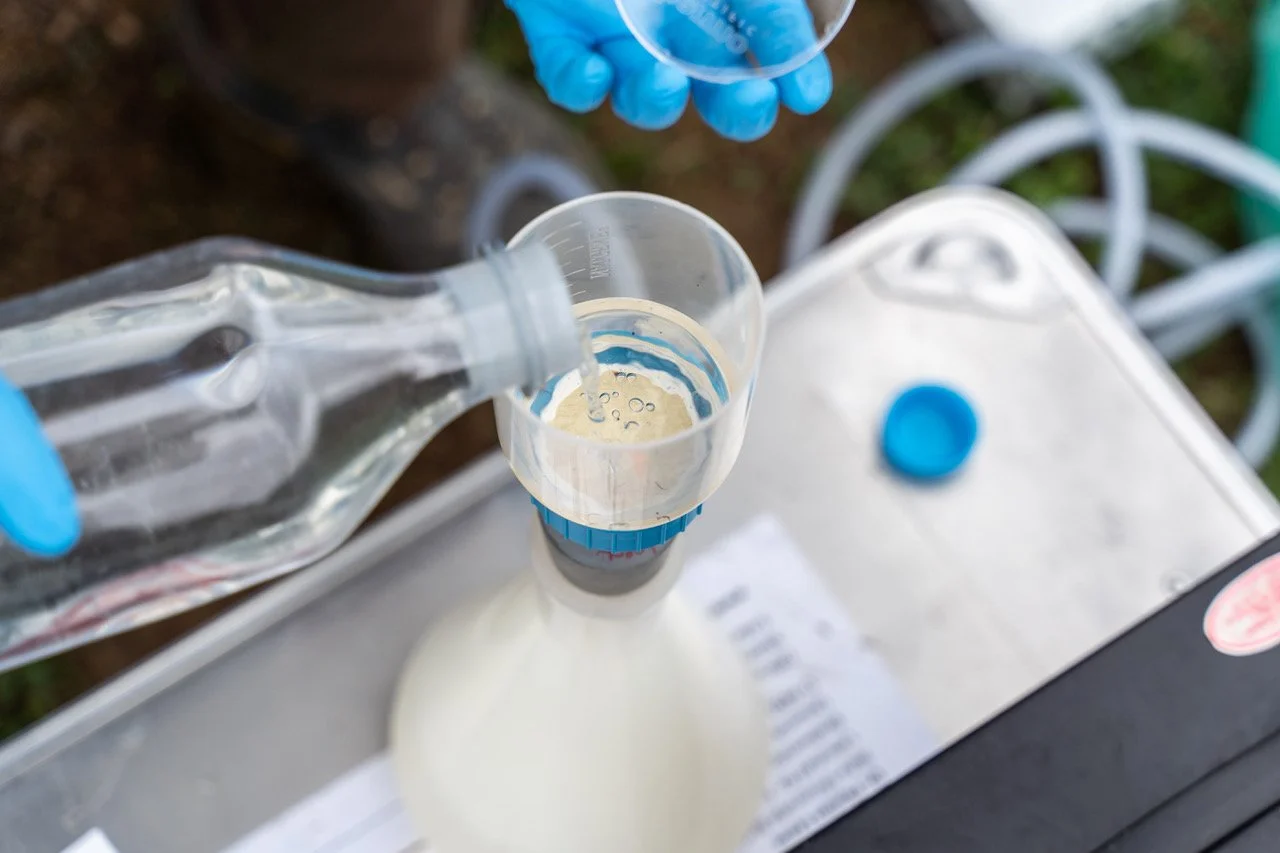
This is where DNA-based methods offer a promising outlook. Recent work, including Macher et al. (2025) and Van Driessche et al. (2026), demonstrates that DNA-derived signals can meaningfully align with established WFD indices, opening a path toward faster, more scalable ecological status assessment. Novel indices like EDIX will build directly on this momentum, aiming to translate molecular biodiversity data into regulator-ready indicators fit for routine, WFD-compliant monitoring.
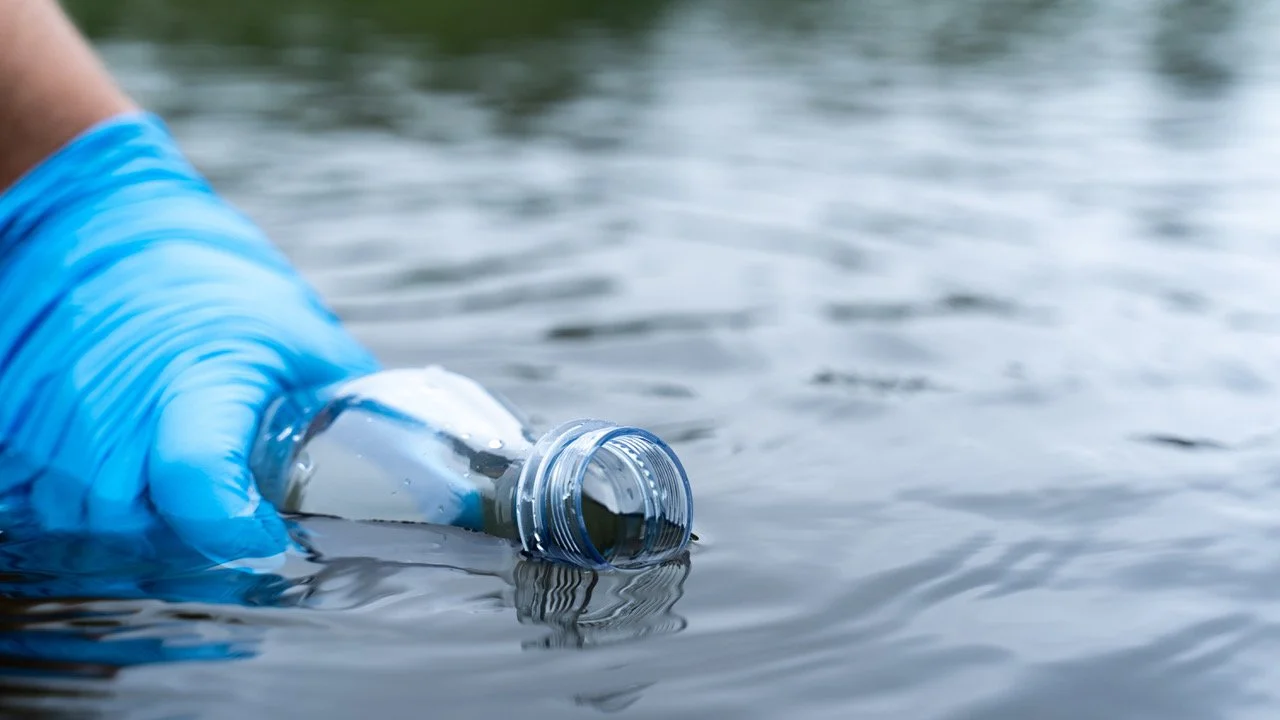
In practice, ecological status is assessed through biological quality elements: fish, benthic invertebrates, macrophytes, and phytoplankton, each sampled using standardized protocols and scored against established, waterbody type-specific indices. These results feed directly into river basin management plans, shaping real conservation and restoration decisions across Europe. Yet this process remains labor-intensive, requiring skilled taxonomists, extensive fieldwork, and repeated surveys, making frequent, large-scale assessment difficult to sustain.