GeneFlow
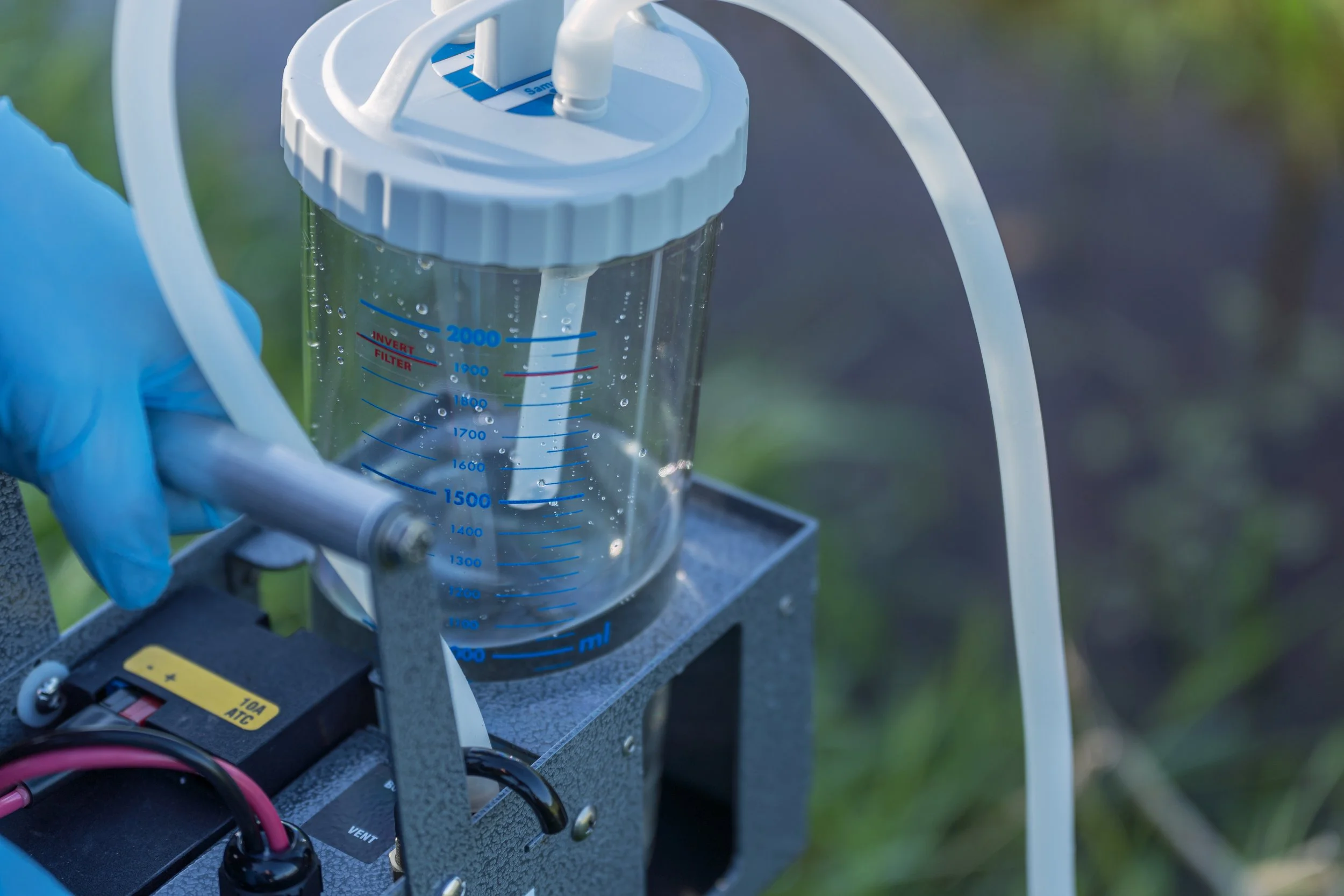
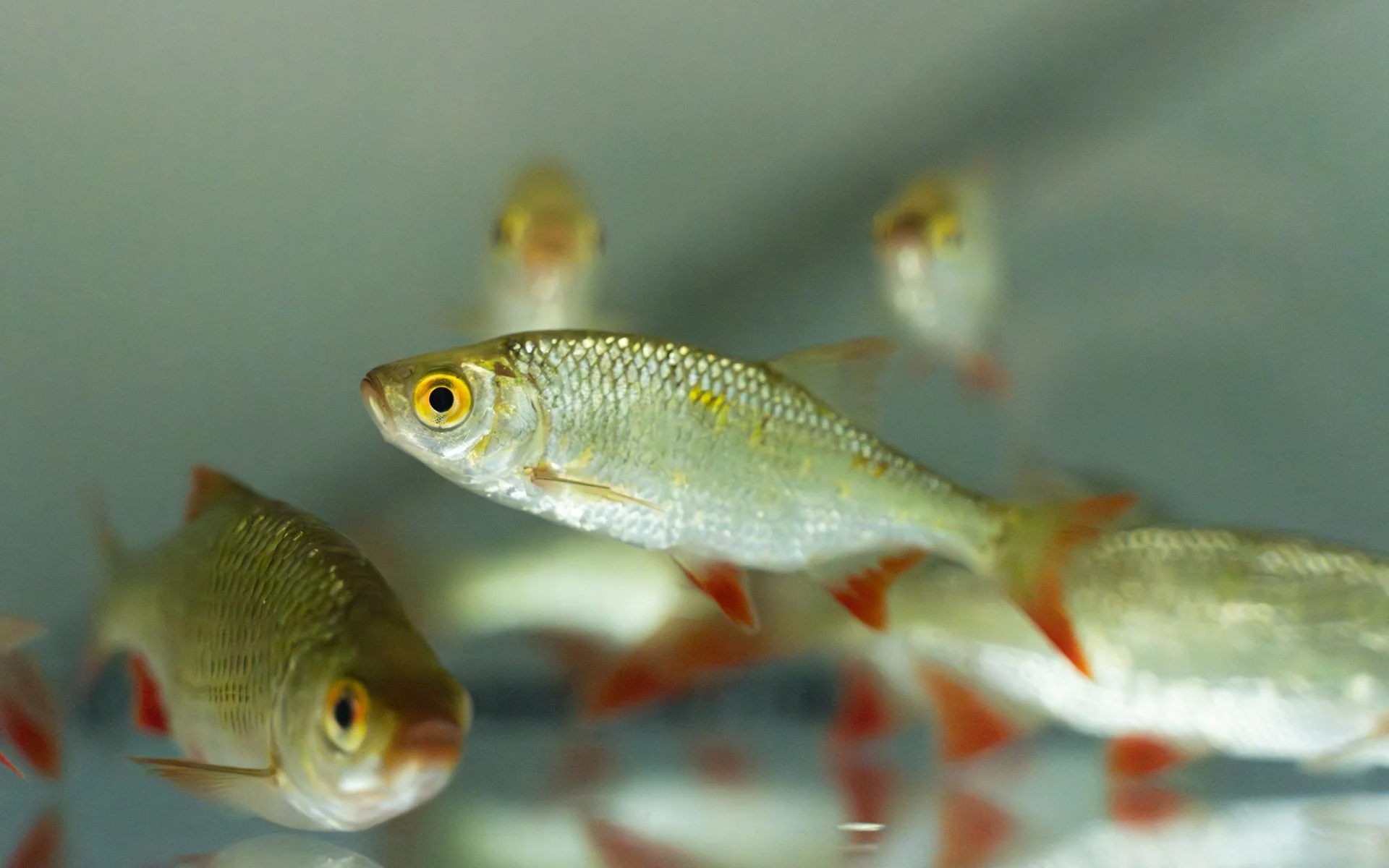
Every fish leaves traces of its DNA in the water it swims through. This project develops new molecular tools that read this genetic information directly from stream water, revealing how genetically diverse and well-connected fish populations are, without ever having to catch a single fish. The work focuses on trout and grayling streams, home to a manageable set of characteristic species, ideal conditions for building and testing a brand-new method from the ground up, one that could eventually be applied far beyond these streams to freshwater ecosystems everywhere.
Beyond detecting genetic diversity, the project tackles a bigger challenge: turning DNA signals from water into reliable, comparable numbers. By combining eDNA data with environmental factors like water flow, habitat conditions, and human land use, we can start to understand what drives genetic connectivity, or isolation, between fish populations. The result is a fast, non-invasive toolkit that helps conservationists and fisheries managers assess the genetic health of wild fish populations at scale, protecting biodiversity while minimizing disturbance to the animals themselves.
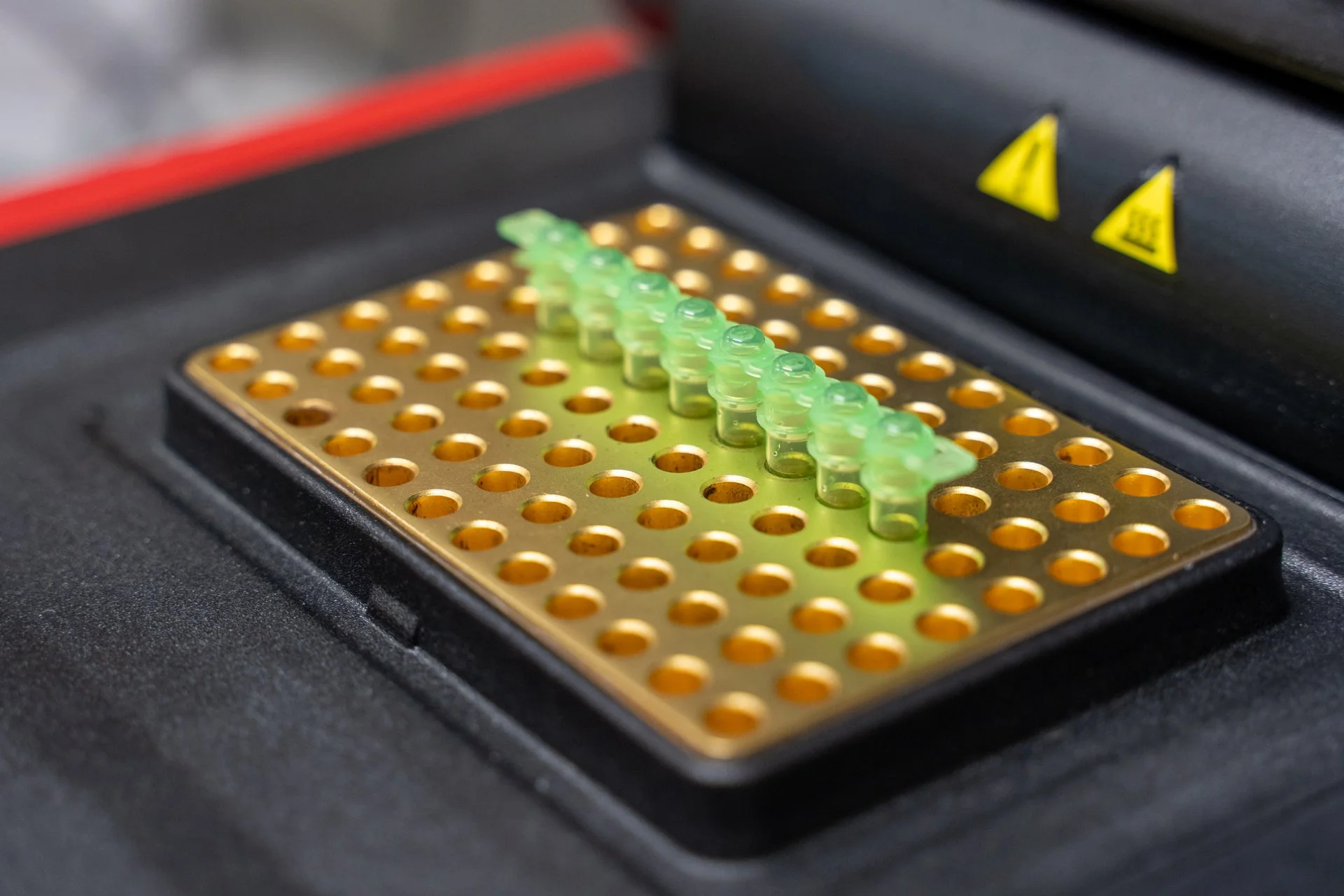
Across multiple streams, hundreds of water samples will be collected and analyzed for eight key species, including brown trout, Atlantic salmon, and grayling. To make sure the new DNA-based method is accurate, it needs a benchmark. So alongside the water sampling, a small number of fish will be briefly caught, given a harmless fin clip for genetic reference, and released unharmed. Comparing both approaches allows us to fine-tune eDNA-based assays until they reliably capture the fine-grained genetic patterns, normally only visible through traditional, invasive sampling of live fish.
Project: BEAM
Funding: Carl-Zeiss-Stiftung -
Nexus 2026
Runtime: 2027-2029
Contact: Till-Hendrik Macher